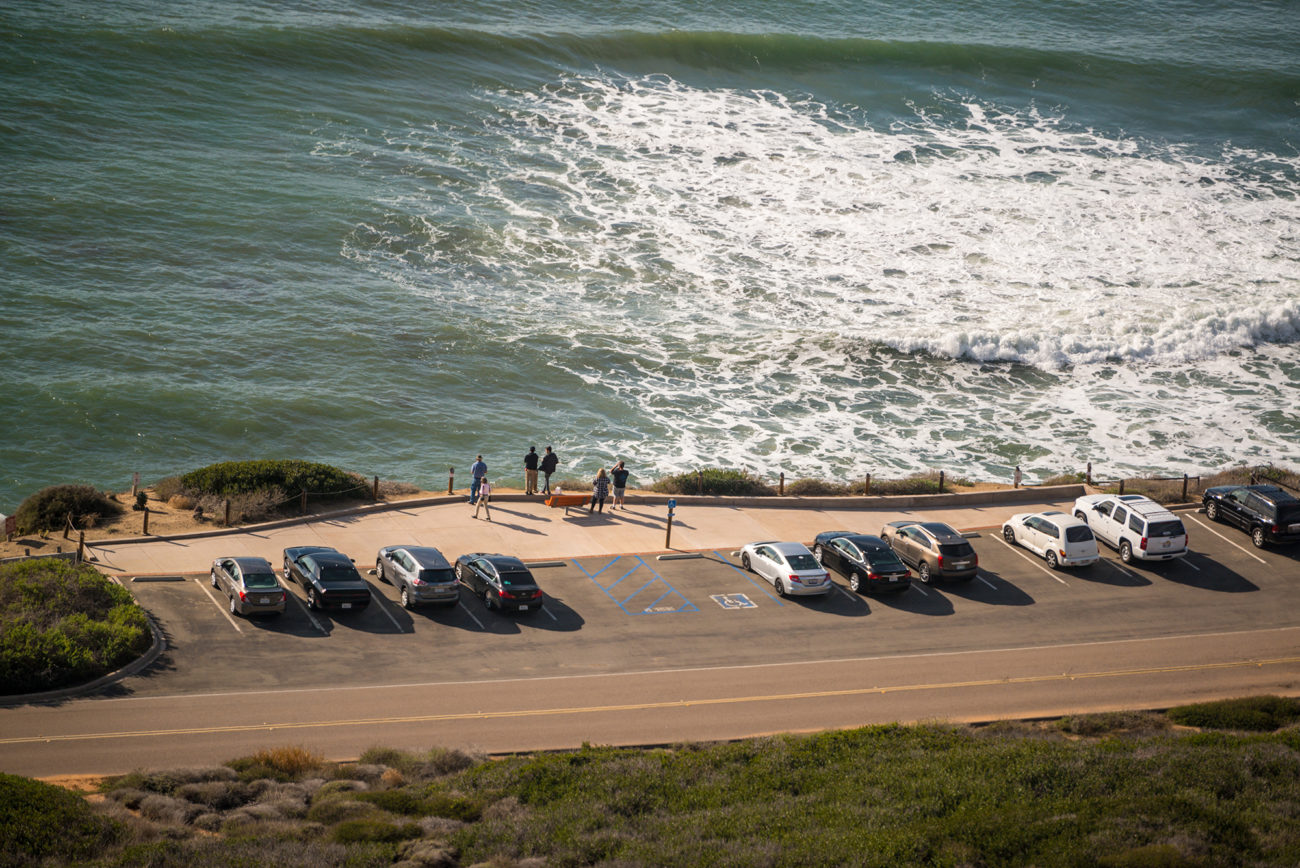
How to Reduce Seaside Hotels Parking Fees: The Definitive Guide
The integration of automotive transport into coastal leisure travel creates a persistent financial friction point: the mandatory hotel parking tariff. Sourcing methodologies for reducing seaside hotels’ parking fees require a nuanced understanding of municipal zoning, commercial real estate revenue management, and the competitive dynamics of local tourism infrastructure. In high-density coastal zones, where land value is exponentially tied to proximity to the tide line, parking is no longer treated as a complimentary service but as a premium revenue stream that frequently inflates total trip costs by 20% or more.
Managing these expenses effectively demands more than simple inquiries at the front desk; it necessitates a sophisticated approach to logistics that leverages public infrastructure, off-site partnerships, and strategic booking windows. The challenge is exacerbated by the trend toward valet-only monopolies, which effectively strip travelers of the ability to self-park and avoid ancillary service surcharges. Consequently, the modern traveler must treat parking as a distinct logistical asset that requires its own procurement strategy, separate from the primary hotel reservation.
This analysis provides a comprehensive framework for navigating the economic complexities of coastal vehicular storage. By examining the structural incentives that drive parking monetization, the regulatory environments that limit or enable public parking alternatives, and the tactical maneuvers available to the savvy traveler, this inquiry offers a definitive reference for minimizing vehicular overhead during littoral holidays.
Understanding “how to reduce seaside hotels parking fees.”
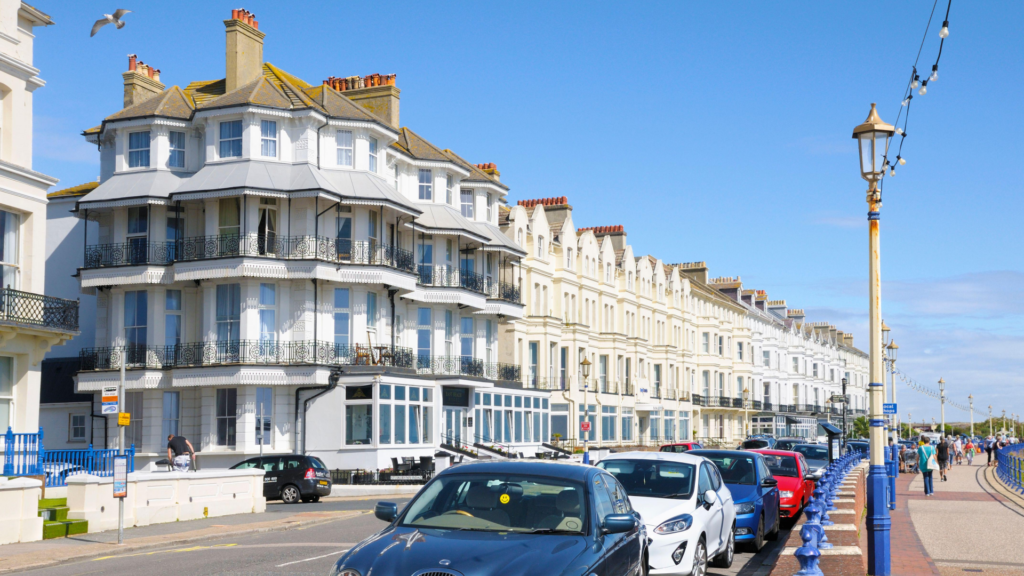
The phrase how to reduce seaside hotels parking fees is frequently reduced to simplistic, ineffective advice in consumer travel forums, such as “park in the street” or “negotiate at check-in.” In reality, these measures are often prohibited by municipal regulations or rendered obsolete by aggressive revenue management policies. True mastery of this domain requires an understanding of how hospitality operators define their parking assets. Is the lot privately owned, or is the hotel leasing space from a third-party garage operator? Are the fees mandatory, or are they tiered by service level?
The risk of oversimplification lies in ignoring the legal and physical constraints imposed by coastal development. Many properties in historic beach towns operate within “congested zones” where municipal street parking is strictly permitted only for residents, rendering “free parking” strategies effectively non-existent. Furthermore, the shift toward valet-only operations in luxury segments acts as a control mechanism to force higher expenditure. Understanding the operational logic behind these fees—often structured to offset property taxes and high land maintenance costs—is the first step in identifying legitimate opportunities for mitigation.
Authentic mitigation strategies rely on identifying “structural arbitrage”—finding points where the cost of local public or private parking diverges significantly from the hotel’s captive rate. This involves auditing municipal transit maps, evaluating regional third-party parking applications, and understanding the specific contractual obligations that might allow for fee waivers (such as loyalty status, specific room rate tiers, or corporate partnership agreements).
Deep Contextual Background
The monetization of hotel parking is not a static element of the travel experience; it is the result of shifting urban design, tourism growth, and real estate valuation. Historically, hotels provided parking as a low-margin utility to attract guests. As coastal tourism expanded during the mid-20th century, the footprint of parking lots became a significant land-use issue. In many beach destinations, the value of oceanfront land reached a threshold where the opportunity cost of dedicating space to stationary vehicles became unsustainable.
The subsequent rise of the “valet-industrial complex”—where specialized third-party firms manage hotel parking assets—further professionalized the extraction of revenue. These firms optimize pricing based on real-time occupancy and surge demand, similar to airline yield management. As a result, the “cost” of parking is no longer tied to the actual maintenance expense of the lot but to the maximum the market will bear. This systemic evolution explains why parking fees are often non-negotiable at the front desk: the front-desk staff frequently has no legal or operational authority over a third-party garage management contract.
Conceptual Frameworks and Mental Models
To effectively navigate vehicular storage costs, travelers must utilize frameworks that prioritize efficiency over convenience.
1. The Proximity-Utility Trade-off Model
This model forces a calculation between the time-cost of walking from a remote, low-cost public lot and the dollar-cost of proximity. It acknowledges that in some coastal environments, the effort to secure non-hotel parking may exceed the financial benefit for travelers with heavy luggage or limited mobility.
2. The Captive Market Elasticity Matrix
This framework categorizes parking scenarios into “Captive” (valet-only, no public alternatives), “Competitive” (public lots nearby), and “Externalized” (neighborhood parking). Strategies are dictated entirely by which of these categories a specific property occupies.
3. The Ancillary Arbitrage Model
This assumes that parking is a negotiable line item like room service or late check-out. It treats the parking fee as a variable asset that can be packaged into larger deals or waived in exchange for long-term loyalty or specific booking conditions.
Key Categories and Variations of Coastal Parking Models
| Parking Model | Revenue Logic | Mitigation Potential | Risk Profile |
| Private Valet Monopoly | Maximum Revenue Capture | Very Low | High (Damage liability) |
| Public-Private Partnership | Shared Revenue | Moderate | Low (City oversight) |
| Neighborhood On-Street | Municipal Regulation | Variable | High (Ticketing/Towing) |
| Third-Party Garage | Market Pricing | Moderate | Low (Structured) |
| Off-Site Shuttle Service | Cost Reduction | High | Moderate (Time cost) |
Detailed Real-World Scenarios and Operational Dynamics
The Historic District Bottleneck
In a dense, historic coastal village, the hotel has no on-site lot. It contracts with a local, private garage three blocks away.
-
Failure Mode: Trying to negotiate with the hotel front desk fails because they do not control the garage.
-
Second-Order Effect: The guest should identify the garage operator independently, often finding that the garage offers lower “public” rates than the “hotel-negotiated” rate.
The Luxury Resort Valet Trap
A high-end resort mandates valet service as the sole parking option.
-
Failure Mode: Attempting to “self-park” is denied by security personnel.
-
Second-Order Effect: Mitigation here is restricted to booking packages that include “resort credit” or “parking credit,” effectively pre-paying the expense in a way that feels invisible.
The Seasonal Overflow
During peak summer weekends, municipal lots are full, and prices surge.
-
Failure Mode: Assuming availability at public lots.
-
Second-Order Effect: The reliance on remote off-site lots—often found via local community-focused apps or real estate networks—becomes the only viable strategy.
Planning, Cost, and Resource Allocation
Effective management of parking costs requires pre-trip intelligence gathering. Travelers should allocate time to map the “parking landscape” within a 1-kilometer radius of the property before the stay begins.
| Cost Element | Range (USD/day) | Variability |
| Hotel Valet | $40–$120 | High (Seasonality) |
| Municipal Public Lot | $15–$50 | Moderate |
| Private Off-Site Garage | $20–$60 | Low |
| Potential Citation | $50–$250 | Extreme |
Tools, Strategies, and Support Systems
-
Geolocation Parking Aggregators: Specialized mobile applications that aggregate prices from all public/private lots in a specific city grid.
-
Corporate and Membership Rate Audits: Many hotel brands offer parking waivers for specific tiers (e.g., top-level loyalty status) that are often forgotten by the guest.
-
Local Real Estate/Neighborhood Forums: Accessing community-level data to identify hidden, long-term parking opportunities not indexed by global search engines.
-
Satellite View Verification: Using aerial imagery to determine the actual footprint of a hotel lot and identifying potential, unlisted public access points.
Risk Landscape and Failure Modes
The failure to properly account for parking can lead to compounding issues. The most significant risk is the “Citation Trap,” where the cost of a parking ticket or vehicle towing vastly exceeds the cost of the hotel’s expensive parking fee. Additionally, relying on public streets in coastal areas often involves “permit-only” zones where visitors may be unaware of resident parking ordinances.
Governance, Maintenance, and Long-Term Adaptation
For the frequent traveler, maintaining a “parking dossier” of recurring destinations is crucial. By tracking where parking was sourced, the price paid, and the quality of the experience, one can build a personal repository of logistical intelligence. Adjustment triggers should include seasonal shifts—what worked in the shoulder season will almost certainly fail during peak August occupancy.
Measurement, Tracking, and Evaluation
Evaluation should focus on the “Total Cost of Transit” (TCOT). This metric includes the parking fee, the time cost of the walk from the lot to the hotel, and the risk-adjusted cost of potential vehicle damage. A low parking fee is not successful if it results in a 20-minute walk with heavy baggage in high humidity or unsafe storage conditions for the vehicle.
Common Misconceptions and Oversimplifications
-
Myth: Front desk staff has discretionary power to waive parking fees.
Correction: In 90% of cases, the parking asset is managed by a third party, and the hotel has no legal or financial control. -
Myth: “Parking is included” is a standard feature.
Correction: It is a luxury feature. Always verify the specific amenity list for the room category. -
Myth: Public street parking is safe.
Correction: Coastal towns often have specific tidal flooding risks or storm surge zones that make on-street parking hazardous.
Ethical, Practical, and Contextual Considerations
There is a distinct difference between “gaming the system” and “market intelligence.” Ethical practice involves respecting municipal zones (not blocking driveways or loading docks) while exercising the right to use public resources. Practically, the move toward electric vehicles EVs) has created a new landscape; some hotels now offer “free” parking for EV charging. This is an emerging strategic arbitrage: paying for a charge is often cheaper than paying for a parking spot.
Conclusion
The pursuit of vehicular cost optimization at the seaside is an exercise in applied logistics. Success in this domain relies on a shift in perspective: parking is a standalone utility, not an incidental room charge. By understanding the underlying commercial interests of the property and mapping the surrounding municipal infrastructure, the informed traveler can navigate these costs with precision. The goal is not merely to save funds, but to secure the vehicle within a predictable, low-risk ecosystem that aligns with the broader objectives of the trip. Adaptability remains the most potent tool; as coastal infrastructure evolves, so too must the strategies employed to traverse it.