Best Seaside Hotels for Families: The Definitive Engineering & Safety Guide
The architectural programming, operational logistics, and spatial safety engineering required to operate multi-generational coastal resorts represent a complex convergence of civil engineering, child psychology, and municipal zoning compliance. Along the maritime boundaries of the Atlantic seaboard, the Mediterranean basin, and tropical island chains, waterfront properties catering to multi-generational cohorts function as intricate socio-technical ecosystems. Rather than serving as static residential structures located near water, premier family-oriented maritime compounds require master layouts that anticipate aggressive environmental forces while delivering a secure, engaging, and restorative spatial experience for diverse age groups simultaneously.
Examining the architecture of premier family waterfront hospitality requires looking past stylized marketing renderings to analyze the structural frameworks, safety isolation barriers, pediatric medical access protocols, and long-term climate adaptation strategies that dictate project viability. From historic cliffside resorts retrofitted with child-safe vertical transit systems to low-lying coastal compounds managing complex aquatic play zones, the development and operational lifecycle of these assets demand deep technical mastery. The preservation, operational efficiency, and financial resilience of these environments depend on balancing fine architectural detailing with rigorous coastal civil engineering, complex environmental impact assessments, and sustainable utility management under shifting environmental pressures.
This analysis provides a definitive reference for understanding, evaluating, and planning the structural blueprints and operational frameworks of elite family-centric seaside accommodations. By unpacking the structural conditions, risk profiles, financial models, and governance frameworks that govern this tier of property development, this inquiry establishes a foundational perspective on how high-end capital interacts with some of the most dynamic and vulnerable coastal landscapes on the planet while accommodating the distinct safety and developmental needs of family units.
Understanding “best seaside hotels for families.”
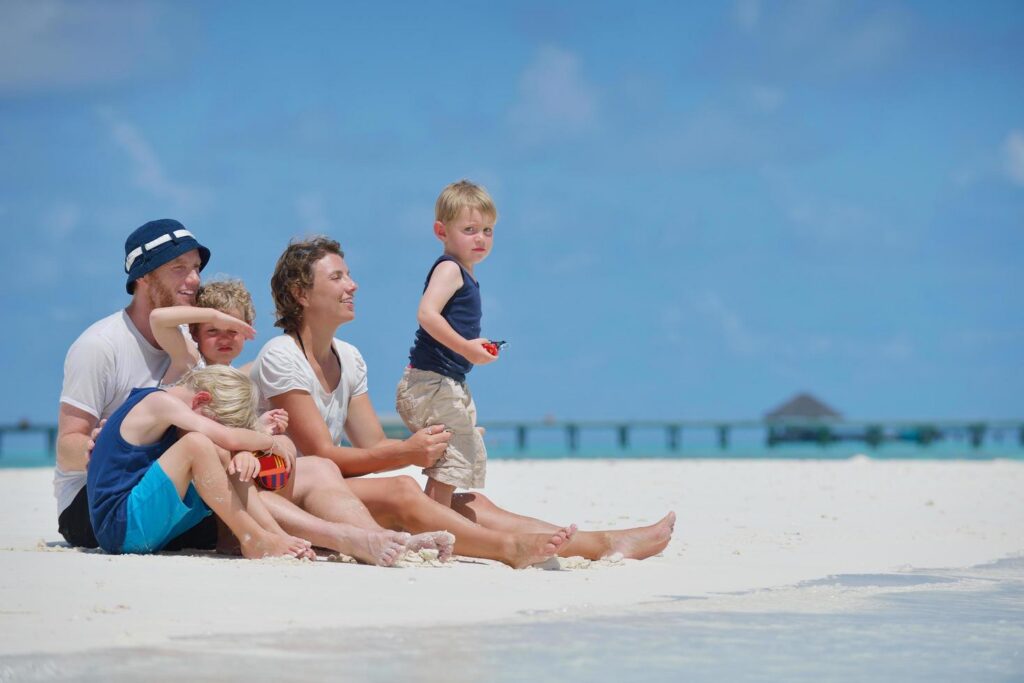
The phrase best seaside hotels for families is frequently obscured by generalized hospitality marketing brochures and commercial travel aggregators that reduce complex structural engineering and multi-generational risk management to superficial amenities like kids’ clubs or water slides. At its core, the phrase does not describe a simple collection of child-friendly rooms, but rather represents the comprehensive architectural, spatial, and infrastructural blueprints required to construct and operate a premier coastal hospitality asset safely, sustainably, and profitably for guests spanning multiple generations. A common misinterpretation assumes that any resort featuring a shallow wading pool or a toy-filled playroom qualifies for top-tier family classification. In professional asset management and hospitality engineering terms, an authentic top-tier property requires verified integration between marine load-bearing calculations, perimeter safety enclosure systems, pediatric-grade medical response readiness, and acoustically isolated multi-room suite zoning.
Oversimplifying these properties as mere vacation spots ignores the severe physical realities of coastal environments combined with the heightened liability and safety demands of supervising children near open water. Asset valuation and long-term operational success are driven not solely by room square footage or recreational programming, but by redundant pool-barrier engineering, slip-resistant marine decking materials, stormwater management systems, and noise-buffering structural envelopes. Properties built from flawed master plans that fail to account for salt-spray degradation, storm surge elevations, or multi-generational acoustic privacy face catastrophic structural degradation, liability exposure, and guest dissatisfaction, regardless of their initial visual opulence.
Deep Contextual Background
The evolution of multi-generational coastal accommodations reflects broader shifts in civil engineering, pediatric health standards, global tourism mobility, and environmental vulnerability. Throughout the nineteenth and early twentieth centuries, seaside accommodations were largely therapeutic health institutions designed around adult sea-bathing cures, offering little to no specialized infrastructure for children or families. These early properties—such as grand wooden Victorian hotels along the New England coast or initial grand palaces along the French Riviera—relied on simple load-bearing masonry or heavy timber frames, often positioned dangerously close to the high-tide line without modern coastal modeling or safety enclosures.
A profound structural transition accelerated during the mid-to-late twentieth century, driven by the advent of reinforced concrete, structural steel, and advanced safety standards for public recreational facilities. Architects and coastal engineers began moving away from rigid, vulnerable shoreline footprints toward more resilient, tiered master plans that incorporated dedicated family wings, controlled pool perimeters, and specialized recreational zones. The expansion of global commercial aviation transformed remote coastlines into high-demand multi-generational travel destinations, prompting the development of sprawling master-planned resorts that integrated private family beaches, kids’ activity centers, and extensive water-treatment facilities directly into the coastal topography.
In contemporary markets, architectural planning must navigate tightening environmental regulations, accelerating climate volatility, and heightened parental expectations for safety, sustainability, and developmental engagement. Modern blueprints frequently incorporate biomimetic shoreline protections, elevated pile-supported structural slabs, smart microgrids, and closed-loop water recycling systems alongside advanced acoustic dampening and fail-safe perimeter security. This marks a definitive evolution from nineteenth-century timber bathhouses to twenty-first-century climate-resilient family sanctuaries capable of withstanding severe meteorological events while protecting vulnerable young guests within complex marine ecosystems.
Conceptual Frameworks and Mental Models
Evaluating, drafting, and executing premier family maritime architectural layouts requires robust mental models that account for variables far beyond standard interior design metrics.
1. The Multi-Generational Acoustic Isolation Matrix
This framework quantifies how a master architectural plan isolates high-energy child play spaces from quiet adult rest zones. It evaluates structural massing, double-stud wall assemblies, and corridor zoning to ensure that multi-room family suites maintain acoustic privacy across different sleep schedules.
2. The Littoral Safety Perimeter Model
This mental model maps the physical barriers separating family accommodation zones from open marine hazards such as surf breaks, deep docks, and unmanaged tidal pools. It enforces a multi-tiered defense strategy combining self-closing latches, electronic proximity alerts, and natural topography to prevent child wandering.
3. The Pediatric Medical Extraction Axis
This framework assesses the logistical friction separating family recreational zones from emergency medical care points, ensuring that rapid response vehicles can access all guest areas without intersecting with high-density pedestrian or pool foot traffic.
Key Categories and Variations of Family-Centric Properties
High-end coastal hospitality master plans manifest in several distinct structural typologies, each imposing unique operational trade-offs, engineering requirements, and spatial profiles for family groups.
-
Elevated Stilt and Boardwalk Family Compounds: Sprawling tropical resort layouts featuring interconnected timber or concrete pile pavilions built above tidal flats or shallow lagoons, equipped with secure wraparound deck railings. Trade-off: Minimum ecological disruption and immersive water-level views, balanced against high pile-maintenance costs and structural vulnerability to severe tropical storm winds.
-
Tiered Cliffside Family Amphitheaters: Multi-level vertical properties carved into steep coastal headlands, cascading down toward protected cove beaches via funiculars and secure, controlled elevators. Trade-off: Unobstructed panoramic sightlines and dramatic visual presence, offset by immense geotechnical engineering costs and strict fall-prevention design requirements.
-
Protected Courtyard and Harbor Family Enclaves: Low-profile masonry plans clustered around private artificial marinas or sheltered coves, mimicking historic Mediterranean fishing villages with enclosed central plazas. Trade-off: Excellent natural wave dampening and safe, controlled wading environments, balanced against high dredging maintenance requirements.
-
Dune-Integrated Low-Impact Family Sanctuaries: Horizontal, low-slung architectural layouts embedded directly into coastal dunes using reinforced earth shelters and green roofs, offering direct, flat beach access without stair hazards. Trade-off: Exceptional wind-shear resistance and safe ground-level mobility for toddlers, balanced against strict environmental setback compliance.
-
High-Rise Urban Waterfront Family Towers: Vertical multi-story structural layouts positioned along metropolitan harbor fronts or boardwalks, maximizing suite space and indoor recreational facilities per square foot of expensive urban land. Trade-off: High guest capacity and centralized kids’ club access, offset by intense elevator bottlenecks and balcony safety mitigation needs.
Comparative Analysis of Family Accommodation Typologies
| Typology | Primary Geographic Context | Engineering Complexity | Core Vulnerability | Primary Spatial Advantage |
| Elevated Stilt Compound | Tropical Atolls / Mangroves | High (Pile & Foundation) | Cyclone winds & scour | Minimal ground disruption |
| Cliffside Amphitheater | Mediterranean / Pacific Cliffs | Extreme (Geotechnical) | Rockfall & slope failure | Tiered panoramic views |
| Protected Harbor Enclave | Protected Coves / Fjords | Medium-High | Sedimentation & siltation | Natural wave dampening |
| Dune-Integrated Sanctuary | Sandy Barrier Islands | Medium | Groundwater table shifts | Flat, stair-free access |
| Urban Waterfront Tower | Metropolitan Harbors | Very High (Wind/Seismic) | Elevator congestion | Centralized indoor facilities |
Realistic Decision Logic
When selecting a property typology for family-oriented development or investment, stakeholders must weigh local environmental constraints, safety regulations, and target demographic profiles. Projects catering heavily to families with toddlers require flat, dune-integrated or enclosed courtyard plans to eliminate stair and cliff hazards, accepting higher waterproofing costs in exchange for safety. Conversely, properties targeting multi-generational family reunions with teenagers often utilize tiered cliffside plans to maximize visual drama and activity zones, absorbing the specialized engineering required to secure vertical circulation.
Detailed Real-World Scenarios and Operational Dynamics
To understand how these properties perform under operational and environmental stress, consider four distinct field scenarios encountered by resort operators and coastal engineers.
Sudden Rip Current Alert and Beach Evacuation
A sudden high-surf warning creates dangerous rip currents along a resort’s family beach zone while dozens of children are swimming in shallow water.
-
Failure Mode: Inadequate lifeguard-to-guest ratios and poorly marked hazard zones lead to delayed emergency response and parental panic on the shore.
-
Second-Order Effect: Implementation of automated wave-telemetry warning horns, mandatory wristband tracking for children near water, and expanded professional lifeguard deployment protocols.
Nor’easter Storm Surge Inundation
A severe coastal storm drives a rapid storm surge into a low-lying family resort’s ground-floor kids’ club and dining terrace.
-
Failure Mode: Ground-level drainage pumps fail due to power loss, flooding indoor play spaces with brackish water and contaminating toy storage and carpeting.
-
Second-Order Effect: Upgrading to elevated electrical wiring, installing automated dual-power sump pumps, and relocating critical children’s programming to upper-level structures.
Marine Sting and Allergenic Crisis
During peak summer family season, a swarm of box jellyfish or aggressive stinging marine organisms enters a protected lagoon swimming enclosure.
-
Failure Mode: Lack of rapid medical notification systems delays treatment for stung children, resulting in severe allergic reactions and guest trauma.
-
Second-Order Effect: Installation of physical anti-sting net barriers, rapid deployment of specialized neutralization stations on docks, and mandatory staff first-responder training.
HVAC Failure During Peak Heat Wave
An extreme ambient heat wave causes a primary chiller failure in a high-density family suite block during school vacation season.
-
Failure Mode: Interior temperatures rise rapidly, creating unsafe sleeping conditions for infants and young children and triggering mass room relocation demands.
-
Second-Order Effect: Investment in modular, redundant chiller loops and automated climate monitoring systems with instant backup switching capabilities.
Planning, Cost, and Resource Allocation
Developing and managing an elite family-oriented coastal asset requires sophisticated financial architecture. Beyond standard construction expenses, specialized safety barriers, pediatric medical facilities, acoustic insulation, and multi-generational amenity spaces demand substantial capital allocations.
Financial Dynamics and Cost Variability
| Expense Category | Estimated Budget Range (USD) | Cost Drivers & Variables |
| Safety Enclosures & Pool Baffling | $300,000 – $1,500,000+ | Self-latching glass gates, anti-entrapment drains, shallow shelves |
| Acoustic Suite Insulation | 10% – 25% over standard build | Double-wall framing, acoustic glazing, resilient sound channels |
| Family-Centric HVAC Redundancy | $800,000 – $4,000,000+ | Zoned climate controls, commercial air filtration, backup chillers |
| Pediatric First-Aid & Clinic Infrastructure | $200,000 – $1,000,000+ | On-site nursing staff, emergency stabilization gear, secure dispensary |
Opportunity Costs and Resource Optimization
A frequent financial miscalculation involves underestimating the long-term lifecycle cost savings of investing in superior safety and durability features during the initial development phase. While deploying residential-grade glass, standard pool gates, and basic interior finishes reduces upfront capital expenditures, the intense wear-and-tear inflicted by high-volume family cohorts inevitably triggers premature failures, high maintenance overhead, and reputational damage. Allocating capital toward commercial-grade, impact-resistant, and easily sanitized materials ensures long-term asset preservation.
Tools, Strategies, and Support Systems
Successfully executing complex family maritime hospitality operations requires an integrated network of specialized digital software, safety systems, and trained support personnel.
-
RFID Wearable Guest Tracking Systems: Waterproof wristbands monitoring children’s access near deep water zones and managing authorized pick-up protocols at kids’ clubs.
-
Automated Pool Safety Monitored Vision: AI-driven underwater camera systems detecting submersion distress and alerting lifeguards within seconds.
-
Commercial Acoustic Testing Suites: Specialized diagnostic tools measuring sound transmission losses between multi-room family suites before seasonal openings.
-
Retained Pediatric Medical Consultancies: Partnerships with regional emergency medical groups ensuring 24/7 on-call triage and rapid evacuation coordination.
-
Marine-Grade Playground Engineering Software: Design platforms calculating wind-shear resistance and corrosion longevity for exterior coastal play structures.
-
Closed-Loop Wastewater Filtration Systems: Advanced MBR plants ensuring absolute purity of water used in splash pads and children’s water parks.
-
Automated Weather and Rip Current Telemetry: Real-time monitoring tools providing early warning alerts for approaching coastal squalls and hazardous surf.
-
Stroller and Gear Logistics Fleets: Specialized inventory management systems tracking rugged all-terrain strollers, cribs, and sterilizers provided to traveling parents.
Risk Landscape and Failure Modes
The risk profile of elite family coastal real estate combines standard hospitality operational hazards with severe, compounding vulnerabilities unique to multi-generational guests near water.
Compounding Risks in Family Coastal Operations
-
The Supervision-Fatigue Hazard: High staff-to-guest ratios in family activity zones can be undermined by momentary parental distraction, turning minor waterfront hazards into critical incidents.
-
Regulatory Liability Shifts: Evolving international and local safety standards for hotel pools and play equipment expose properties to severe legal liability if legacy installations fail to meet current codes.
-
Contamination Vulnerabilities: High-bather-load pools and splash pads increase the risk of waterborne pathogen outbreaks if automated chemical dosing systems fail.
-
Climate-Driven Beach Erosion: Rapid loss of sandy shoreline directly restricts safe family recreation space, forcing guests onto hazardous rocky or seawall-armored edges.
Governance, Maintenance, and Long-Term Adaptation
Preserving the physical integrity, safety compliance, and aesthetic appeal of a family-focused maritime asset requires disciplined adherence to rigorous maintenance schedules and continuous environmental monitoring.
Monitoring and Review Cycles
Property engineers and safety officers must execute structured daily, weekly, and seasonal audits, evaluating gate latches, playground fastener integrity, water chemistry parameters, and balcony railing stability before high-occupancy holiday windows.
Layered Maintenance Checklist
-
Pool Gate and Latch Verification: Daily manual testing of all self-closing mechanisms and magnetic locks surrounding aquatic zones.
-
Playground Structural Audit: Weekly checks of timber, rope, and metal play equipment for salt corrosion, splintering, and loose hardware.
-
Balcony and Railing Load Testing: Monthly engineering checks of glass balustrades and vertical pickets to ensure zero deflection under impact.
-
Water Chemistry and Pathogen Testing: Continuous automated monitoring and manual lab verification of pool and splash pad chlorine and pH levels.
Measurement, Tracking, and Evaluation
Evaluating the performance, safety, and operational efficiency of a family coastal property requires tracking both quantitative engineering metrics and qualitative guest experience signals.
-
Quantitative Metrics: Water purity test compliance rates, maintenance ticket resolution times for safety equipment, pediatric incident response speeds, and energy consumption per suite.
-
Qualitative Signals: Parent satisfaction with acoustic privacy, children’s engagement scores in supervised programs, perceived cleanliness of shared family zones, and staff responsiveness during minor medical events.
-
Documentation Standards: Maintaining an exhaustive digital archive recording daily water log books, safety equipment inspection certificates, engineering maintenance histories, and incident response reports ensures institutional accountability and legal compliance.
Common Misconceptions and Oversimplifications
-
Myth: Standard luxury hotel design can be easily adapted for families by simply adding extra twin beds to a king room.Correction: Family accommodations require sophisticated acoustic isolation, multi-room zoning, storage for bulky gear, and rigorous child-safety engineering that standard hotel rooms lack.
-
Myth: Installing a shallow pool eliminates drowning risks for children at seaside resorts.Correction: Shallow water features still require strict physical barriers, anti-entrapment drain covers, and active lifeguard supervision to prevent accidents.
-
Myth: Salt spray only affects exterior metal railings and does not impact family play areas.Correction: Airborne chlorides degrade playground equipment chains, fastener bolts, and concrete reinforcing steel, creating hidden structural hazards if not maintained.
-
Myth: Kids’ club programming is purely recreational and requires minimal safety infrastructure.Correction: Supervised children’s spaces require secure check-in/check-out protocols, medical allergy tracking, and specialized staff credentialing.
-
Myth: Beachfront safety relies entirely on posted warning flags.Correction: Comprehensive coastal family safety requires active surveillance, physical hazard marking, and rapid communication systems.
-
Myth: High-end family resort management focuses solely on entertainment and dining options.Correction: The success of a family property relies primarily on invisible back-of-house logistics, rigorous safety engineering, and reliable emergency medical access.
Ethical, Practical, and Contextual Considerations
Operating large-scale multi-generational hospitality compounds within sensitive coastal ecosystems carries a profound ethical and ecological responsibility. Responsible stewardship mandates protecting fragile dune systems from foot traffic, preserving public littoral access rights where mandated by law, minimizing artificial lighting that disorients nesting marine wildlife and newly hatched sea turtles, and eliminating untreated wastewater discharge into coastal waters. Furthermore, acknowledging the socioeconomic impact of resort development on local communities ensures that private family enterprise coexists harmoniously with the broader ecological and cultural vitality of the region.
Conclusion
The conception, operation, and maintenance of elite family-oriented maritime accommodations represent the ultimate synthesis of coastal marine engineering, child psychology, spatial safety design, and environmental risk management. By moving past superficial marketing generalizations and confronting the rigorous operational realities of marine corrosion, wave action, storm surge vulnerability, pool safety compliance, and multi-generational acoustic privacy, developers and operators can establish enduring properties of exceptional beauty and resilience. Whether shaping terraced cliffside family compounds in the Mediterranean, elevated stilt pavilions in tropical lagoons, or dune-integrated sanctuaries along barrier islands, these exceptional properties demand a synthesis of intellectual rigor, technical mastery, and deep respect for the environment balancing modern engineering innovation with the timeless, powerful dominance of the sea.