Best Seaside Hotels Options: The Definitive Engineering & Luxury Guide
The global landscape of elite coastal hospitality has undergone a profound transformation, evolving from simple therapeutic health retreats into complex, highly engineered architectural environments. Along the world’s most dramatic tidelines, from the rugged limestone cliffs of the Mediterranean basin to the low-lying coral atolls of the Indian Ocean waterfront, hospitality assets function as intricate socio-technical systems. Rather than existing as passive structures adjacent to the sea, premier maritime properties require master planning that anticipates aggressive marine forces while delivering an uncompromised spatial experience for discerning travelers.
Evaluating the highest tier of coastal hospitality necessitates looking past promotional imagery to inspect the underlying mechanics of site selection, structural engineering, environmental compliance, and long-term asset resilience. From historic cliffside mansions repurposed into luxury sanctuaries to modern eco-resorts built on engineered stilts, these properties operate under severe physical constraints. The longevity, operational efficiency, and financial durability of these assets depend upon a delicate equilibrium between architectural elegance and civil engineering mastery under shifting environmental pressures.
This analysis provides a definitive reference for understanding, evaluating, and categorizing premier marine-edge accommodations. By unpacking the structural typologies, operational risks, economic models, and governance frameworks that govern this segment of real estate development, this inquiry establishes a foundational perspective on how high-end capital interacts with some of the most dynamic and vulnerable coastal geographies on earth.
Understanding “best seaside hotels options.”
The phrase best seaside hotels options is frequently flattened by commercial booking aggregators and lifestyle blogs that reduce complex hospitality infrastructure to interior decor trends and subjective guest review scores. In professional asset management, spatial planning, and hospitality development terms, the phrase denotes a rigorous taxonomy of properties that successfully marry structural marine engineering with faultless guest logistics. A common misinterpretation assumes that any lodging featuring an ocean view qualifies for top-tier classification. Authentic excellence in this sector requires verified structural integrity against storm surges, adherence to strict coastal setback regulations, and sophisticated back-of-house circulation that isolates heavy logistics from the guest experience.
Oversimplifying these properties as mere vacation spots ignores the severe physical realities of coastal environments. Asset valuation and long-term viability are driven by structural pile depth, corrosion-resistant material science, wastewater management systems, and energy independence. Properties built without accounting for salt-spray degradation, shifting littoral sands, or rising sea levels face rapid structural decay and crippling operational costs, regardless of their initial visual opulence.
True comprehension of this domain requires analyzing how distinct regional geographies shape property design. A premier cliffside hotel in southern Italy must prioritize seismic reinforcement, rock-anchor stabilization, and vertical guest circulation. Conversely, a top-tier sanctuary on a tropical coral atoll prioritizes elevated boardwalk foundations, passive cross-ventilation, and localized desalination infrastructure. Evaluating these options demands an analytical framework that weighs architectural elegance against the relentless physical parameters of the sea.
Deep Contextual Background
The evolution of elite coastal accommodations reflects broader shifts in civil engineering, global tourism mobility, and environmental vulnerability. Throughout the nineteenth and early twentieth centuries, seaside hotels were largely therapeutic health institutions designed around sea-bathing cures. These early properties—such as grand timber hotels along the New England coast or initial grand palaces along the French Riviera—relied on simple load-bearing masonry or heavy timber frames, often positioned dangerously close to the high-tide line without the benefit of modern coastal modeling.
A structural transition accelerated during the mid-to-late twentieth century, driven by the advent of reinforced concrete, structural steel, and advanced wind-tunnel testing. Architects and coastal engineers began moving away from rigid, vulnerable shoreline footprints toward more resilient, tiered master plans. The expansion of global commercial aviation transformed remote coastlines into high-demand travel destinations, prompting the development of sprawling master-planned resorts that integrated private marinas, golf courses, and extensive water-treatment facilities directly into the coastal topography.
In contemporary markets, architectural planning must navigate tightening environmental regulations, accelerating climate volatility, and heightened expectations for sustainable luxury. Modern blueprints frequently incorporate biomimetic shoreline protections, elevated pile-supported structural slabs, smart microgrids, and closed-loop water recycling systems. This marks a definitive evolution from nineteenth-century timber bathhouses to twenty-first-century climate-resilient engineering masterpieces capable of withstanding severe meteorological events while preserving fragile marine ecosystems.
Conceptual Frameworks and Mental Models
Evaluating, operating, and selecting premier maritime accommodations requires robust mental models that account for variables far beyond standard room-rate metrics.
1. The Littoral Energy Dissipation Matrix
This framework quantifies how a property interacts with incoming wave energy, tidal action, and wind forces. It evaluates whether the layout utilizes hard armoring (such as seawalls) or soft engineering (such as dune restoration and bio-shields) to absorb and redirect coastal kinetic energy away from primary guest structures.
2. The Atmospheric Corrosivity Gradient
This mental model maps the aggressive chemical impact of marine salt spray and humidity on structural materials. It dictates the spatial separation of mechanical plants from direct sea winds and enforces the selection of marine-grade stainless steels, treated concrete covers, and specialized sealants across the physical layout.
3. The Operational Friction vs. Guest Privacy Axis
This framework assesses the invisible separation between heavy back-of-house logistics (laundry, food supply delivery, waste management, staff circulation) and the restorative guest experience, ensuring that service corridors never intersect with primary ocean-facing leisure zones.
Key Categories and Variations of Accommodations
High-end coastal hospitality assets manifest in several distinct structural typologies, each imposing unique operational trade-offs, engineering requirements, and spatial profiles.
-
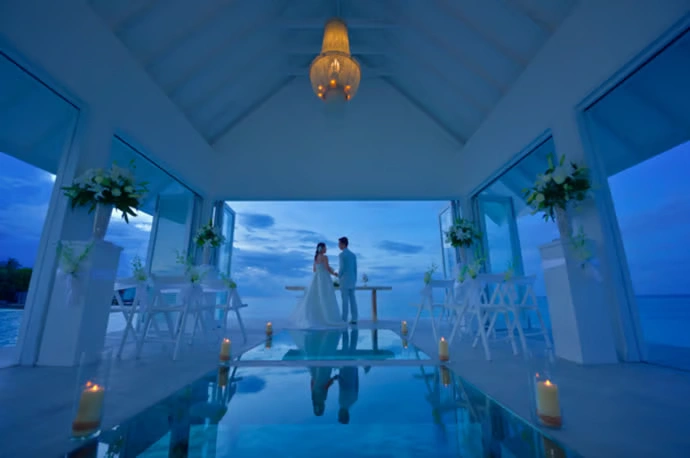
Elevated Stilt and Boardwalk Resorts: Sprawling tropical resort layouts featuring interconnected timber or concrete pile pavilions built above tidal flats or shallow lagoons. Trade-off: Minimum ecological disruption on fragile coastlines and immersive water-level views, balanced against high pile-maintenance costs and structural vulnerability to severe tropical storm winds.
-
Terraced Cliffside Amphitheater Hotels: Multi-level vertical properties carved into steep coastal headlands, cascading down toward the water with funiculars and cliff elevators. Trade-off: Unobstructed panoramic sightlines for every guest room and dramatic visual presence, offset by immense geotechnical engineering costs, rockfall mitigation needs, and complex vertical utility pumping.
-
Protected Courtyard and Harbor Enclaves: Low-profile masonry plans clustered around private artificial marinas or sheltered coves, mimicking historic Mediterranean fishing villages. Trade-off: Excellent natural protection from open-ocean wave action and secure berthing for private watercraft, balanced against high dredging maintenance requirements and limited open-horizon views.
-
Dune-Integrated Low-Impact Profiles: Horizontal, low-slung architectural layouts embedded directly into coastal sand dunes using reinforced earth shelters and green roofs. Trade-off: Exceptional wind-shear resistance and seamless integration into protected coastal ecosystems, balanced against strict environmental setback compliance and subterranean waterproofing challenges.
-
High-Rise Urban Waterfront Towers: Vertical multi-story structural layouts positioned along metropolitan harbor fronts or boardwalks, maximizing room yields per square foot of expensive urban coastal land. Trade-off: High guest capacity, efficient central utility distribution, and iconic skyline positioning, offset by intense zoning restrictions, wind-tunnel downwash effects, and high evacuation complexity.
Comparative Analysis of Accommodation Typologies
| Typology | Primary Geographic Context | Engineering Complexity | Core Vulnerability | Primary Spatial Advantage |
| Elevated Stilt Resort | Tropical Atolls / Mangroves | High (Pile & Foundation) | Cyclone winds & scour | Minimal ground-plane disruption |
| Cliffside Amphitheater | Mediterranean / Pacific Cliffs | Extreme (Geotechnical) | Rockfall & slope failure | Tiered panoramic views |
| Protected Harbor Enclave | Protected Coves / Fjords | Medium-High | Sedimentation & siltation | Natural wave dampening |
| Dune-Integrated Profile | Sandy Barrier Islands | Medium | Groundwater table shifts | Natural wind-shear deflection |
| Urban Waterfront Tower | Metropolitan Harbors | Very High (Wind/Seismic) | Evacuation bottlenecks | High room density yield |
Realistic Decision Logic
When selecting a coastal property typology for development or investment, stakeholders must weigh local environmental constraints, zoning limitations, and target market positioning. Projects sited on active seismic fault lines or hurricane-prone barrier islands require robust, highly engineered pile or dune-integrated plans, accepting higher upfront structural costs in exchange for long-term safety. Conversely, properties situated along stable rocky headlands often utilize terraced cliffside plans to maximize visual drama and room pricing power, absorbing the specialized geotechnical engineering required to stabilize the cliff face.
Detailed Real-World Scenarios and Operational Dynamics
To understand how these properties perform under operational and environmental stress, consider four distinct field scenarios encountered by resort operators and coastal engineers.
Extreme Storm Surge and Wave Runup
A major category hurricane pushes an unprecedented storm surge directly into a low-lying coastal resort featuring ground-level concrete slab construction.
-
Failure Mode: Hydrostatic pressure breaches ground-floor lobby glass, undermining the slab foundation and filling lower utility vaults with corrosive saltwater.
-
Second-Order Effect: Total failure of backup generators and water pumps, stranding guests and triggering multi-million-dollar structural remediation projects that close the property for a full season.
Chronic Long-Term Coastal Erosion
A cliffside resort experiences accelerated beach and bluff erosion due to changing littoral drift patterns and rising sea levels, threatening the stability of cliff-edge swimming pools.
-
Failure Mode: The supporting earth beneath the pool deck slumps into the sea, exposing utility lines and creating an immediate life-safety hazard.
-
Second-Order Effect: Emergency installation of expensive offshore breakwaters or deep micro-pile rock anchors, accompanied by intense public scrutiny from local coastal environmental agencies.
Severe Marine Salt-Spray Degradation
A resort designed with standard architectural metal framing and residential-grade glass seals operates for five years in an aggressive tropical marine environment.
-
Failure Mode: Chloride-induced corrosion destroys window mechanisms, rusts structural steel rebar within concrete eyebrows, and causes premature failure of exterior air conditioning condensers.
-
Second-Order Effect: Massive capital expenditure required to strip and replace exterior building envelopes, interrupting guest operations and damaging the brand’s luxury reputation.
Municipal Wastewater Capacity Curtailment
A coastal municipality experiences rapid regional growth and places a strict moratorium on private resort wastewater discharge into local coastal bays.
-
Failure Mode: The resort’s existing septic or basic secondary treatment plant cannot meet zero-discharge standards, halting planned room expansions.
-
Second-Order Effect: Emergency redesign and installation of an on-site tertiary membrane bioreactor (MBR) water reclamation plant, increasing capital overhead and operational complexity.
Planning, Cost, and Resource Allocation
Developing and managing an elite coastal hospitality asset requires sophisticated financial architecture. Beyond standard construction expenses, marine-grade materials, specialized geotechnical engineering, and environmental mitigation compliance demand substantial capital allocations.
Financial Dynamics and Cost Variability
| Expense Category | Estimated Budget Range (USD) | Cost Drivers & Variables |
| Geotechnical & Marine Engineering | $500,000 – $3,000,000+ | Soil borings, wave-tank testing, pile depth, retaining walls |
| Marine-Grade Material Upgrades | 15% – 35% over standard build | 316 stainless steel, anodized aluminum, sulfate-resistant concrete |
| Coastal Permitting & Environmental Mitigation | $250,000 – $1,500,000+ | Coastal commission reviews, dune restoration bonds, EIA studies |
| Redundant Coastal Utilities | $1,000,000 – $5,000,000+ | Seawater desalination plants, MBR wastewater systems, storm-rated generators |
Opportunity Costs and Resource Optimization
A frequent financial miscalculation involves underestimating the long-term lifecycle cost savings of investing in superior marine-grade structural engineering during the initial development phase. While deploying cheaper, standard building materials reduces upfront capital expenditures, the aggressive corrosive nature of the marine environment inevitably triggers premature structural failures, costly repairs, and catastrophic revenue losses during unexpected closures. Allocating capital toward robust structural foundations and corrosion-resistant envelopes ensures long-term asset preservation.
Tools, Strategies, and Support Systems
Successfully executing complex maritime hospitality operations requires an integrated network of specialized digital software, engineering consultants, and physical monitoring systems.
-
Advanced Hydrodynamic Modeling Software: Computational fluid dynamics (CFD) programs simulating storm surge heights, wave action, and littoral sediment transport around proposed structures.
-
Marine-Grade Geotechnical Testing Rigs: Specialized offshore and onshore drilling equipment analyzing load-bearing strata, liquefaction potential, and bedrock depths.
-
Retained Coastal Engineering Consultancies: Specialized firms managing local tidal regulations, coastal commission permit applications, and structural armor design.
-
BIM (Building Information Modeling) Coastal Suites: 3D collaborative design platforms integrating structural, mechanical, and marine corrosion resistance data into a single master model.
-
Automated Tidal and Wave Telemetry Sensors: Real-time sensors monitoring wave force impacts, groundwater salinity levels, and beach profile shifts around the property.
-
Desalination and Reverse-Osmosis Plants: On-site commercial water purification units ensuring complete independence from stressed municipal coastal water grids.
-
Corrosion Monitoring Probes: Embedded electronic sensors tracking chloride penetration and electrochemical activity within reinforced concrete structural elements.
-
Helicopter and Marine Logistics Coordination: Dedicated planning frameworks for moving heavy construction materials to remote island or cliffside building sites where road access is limited.
Risk Landscape and Failure Modes
The risk profile of elite coastal real estate combines standard hospitality operational hazards with severe, compounding environmental vulnerabilities unique to maritime zones.
Compounding Risks in Coastal Operations
-
The Climate Acceleration Feedback Loop: Rising sea levels combined with intensifying storm frequencies accelerate coastal erosion, rendering existing seawalls and structural setbacks obsolete faster than historical actuarial tables predict.
-
Regulatory and Setback Entanglement: Overlapping local, state, and federal coastal zone regulations can abruptly halt expansion, deny bulkhead permits, or enforce mandatory retreat zones that threaten long-term asset value.
-
Utility Isolation Vulnerabilities: Reliance on linear municipal utility lines running along vulnerable coastal highways exposes the property to extended service cutoffs during storms.
-
Catastrophic Insurance Market Contraction: The global withdrawal of property and casualty insurers from high-risk coastal zones can make underwriting economically prohibitive, directly impacting development financing and asset liquidity.
Governance, Maintenance, and Long-Term Adaptation
Preserving the physical integrity, structural safety, and aesthetic appeal of a maritime hospitality asset requires disciplined adherence to rigorous maintenance schedules and continuous environmental monitoring.
Monitoring and Review Cycles
Property engineers and asset managers must execute structured seasonal audits, evaluating pile integrity, bulkhead tie-backs, roof drainage channels, sealant elasticity, and cathodic protection systems prior to seasonal storm windows.
Layered Maintenance Checklist
-
Structural Pile and Substructure Inspections: Professional diving surveys of underwater piles, footings, and seawall foundations to check for scour and marine-borer damage.
-
Envelope Sealant and Glazing Audits: Comprehensive testing of window gaskets, silicone joints, and frame coatings to prevent salt-induced moisture intrusion.
-
Stormwater Drainage and Pump Servicing: Clearing debris from swales, scuppers, and catch basins while testing primary and backup drainage pumps.
-
Corrosion Mitigation Systems: Inspecting sacrificial anodes and impressed current cathodic protection systems safeguarding steel-reinforced concrete.
Measurement, Tracking, and Evaluation
Evaluating the performance, resilience, and operational efficiency of a coastal property requires tracking both quantitative engineering metrics and qualitative guest experience signals.
-
Quantitative Metrics: Energy consumption per occupied room, water self-sufficiency ratios, structural repair capital expenditure percentages, and wave-attenuation performance indexes.
-
Qualitative Signals: Guest comfort regarding wind noise and ambient climate control, perceived acoustic privacy between rooms, aesthetic durability of exterior finishes, and staff operational efficiency in service corridors.
-
Documentation Standards: Maintaining an exhaustive digital archive recording original geotechnical reports, hydrodynamic modeling data, as-built marine engineering blueprints, and historical maintenance logs ensures seamless institutional continuity across ownership transitions.
Common Misconceptions and Oversimplifications
-
Myth: Standard residential or urban hotel structures can be easily adapted for seaside locations by simply adding large glass windows.Correction: Coastal environments require specialized structural engineering, wind-load calculations, and corrosion-resistant material specifications that far exceed standard building codes.
-
Myth: Building a heavy concrete seawall permanently solves coastal erosion problems for a waterfront property.Correction: Hard armor seawalls often reflect wave energy, accelerating adjacent beach erosion and frequently worsening long-term stability without supplemental soft engineering.
-
Myth: Salt spray only affects exterior paint and metal railings on coastal buildings.Correction: Airborne chlorides penetrate porous concrete, triggering internal rebar corrosion and structural spalling deep within the building’s skeleton.
-
Myth: Municipal water and sewer connections are entirely reliable for large-scale coastal resorts.Correction: Coastal municipal utilities are frequently overburdened by tourism peaks and vulnerable to storm disruptions, making on-site redundancy essential.
-
Myth: Coastal zoning regulations remain static once initial building permits are approved.Correction: Environmental setbacks, wetland protections, and public access mandates are subject to frequent regulatory revisions and tightening climate policies.
-
Myth: High-end coastal property management focuses solely on luxury guest aesthetics.Correction: The success of a coastal hotel relies primarily on invisible back-of-house logistics, resilient utility design, and severe weather defense engineering.
Ethical, Practical, and Contextual Considerations
Operating large-scale hospitality compounds within sensitive coastal ecosystems carries a profound ecological responsibility. Responsible stewardship mandates protecting fragile dune systems, preserving public littoral access rights where mandated by law, minimizing artificial lighting that disorients nesting marine wildlife, and eliminating untreated wastewater discharge into coastal waters. Furthermore, acknowledging the socioeconomic impact of resort development on local fishing and coastal communities ensures that private luxury enterprise coexists harmoniously with the broader ecological and cultural vitality of the region.
Conclusion
The conception, operation, and maintenance of elite maritime accommodations represent the ultimate synthesis of coastal marine engineering, spatial design psychology, and environmental risk management. By moving past superficial design renderings and confronting the rigorous operational realities of marine corrosion, wave action, storm surge vulnerability, and complex regulatory frameworks, developers and operators can establish enduring properties of exceptional beauty and resilience. Whether shaping terraced cliffside amphitheatres in the Mediterranean, elevated stilt pavilions in tropical lagoons, or dune-integrated compounds along barrier islands, these exceptional properties demand a synthesis of intellectual rigor, technical mastery, and deep environmental respect, balancing modern engineering innovation with the timeless, powerful dominance of the sea.