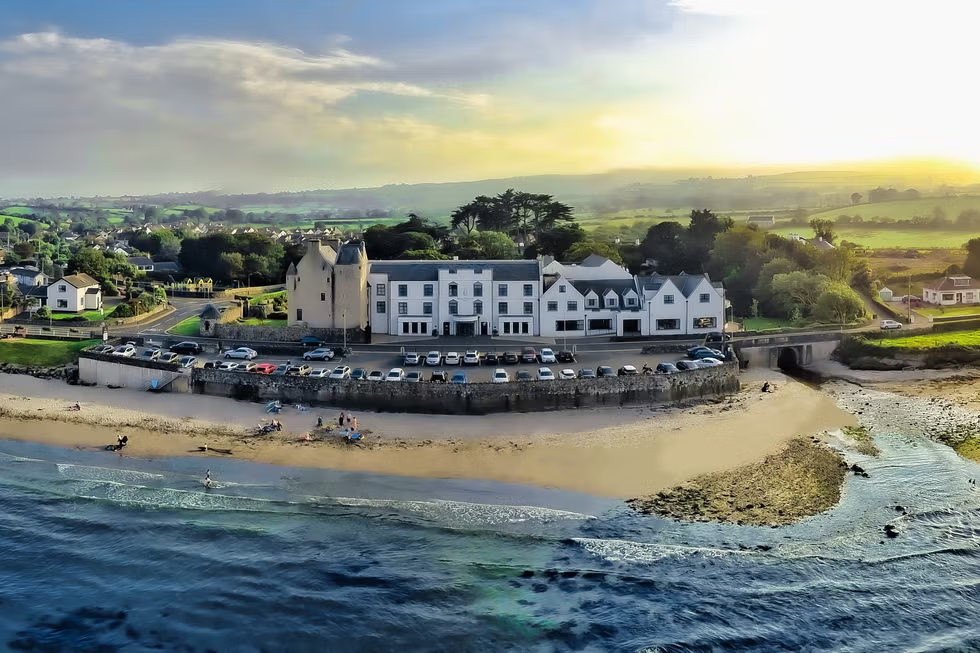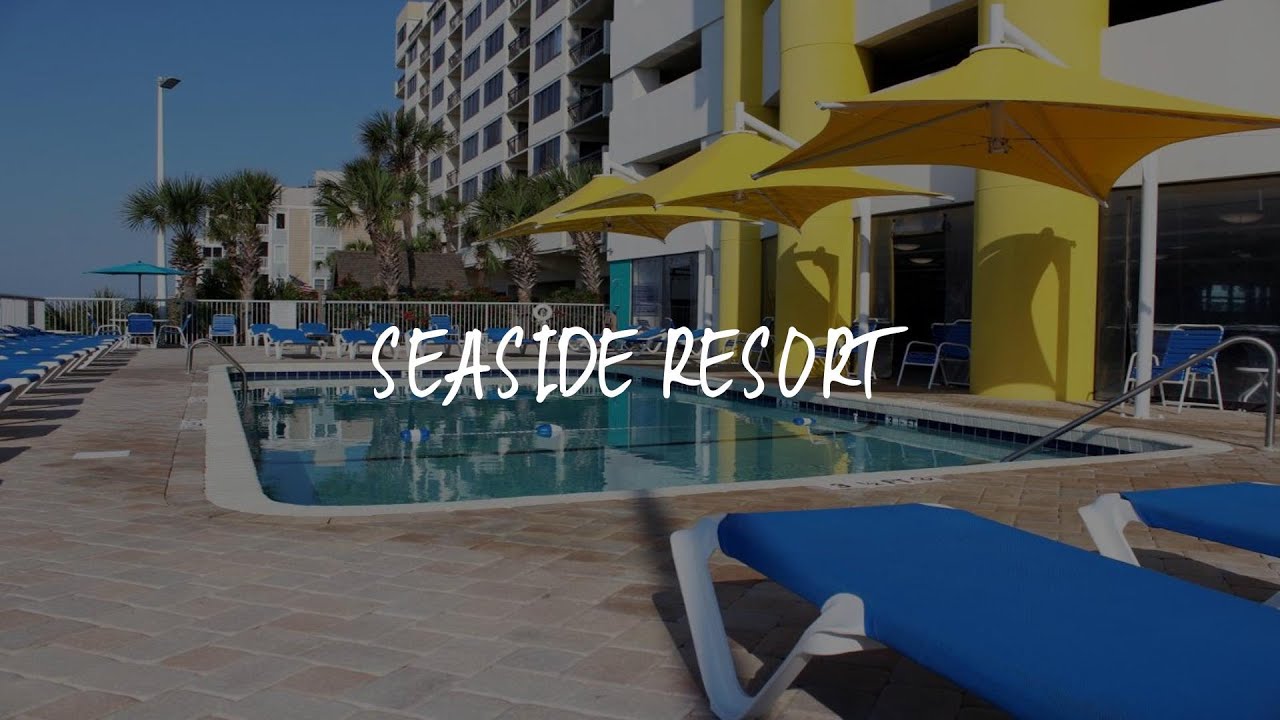
Best Seaside Hotels United States: Ultimate Luxury Resort Guide
Evaluating properties sited along the vast expanse of continental and island coastlines across the United States reveals an intricate intersection of architectural heritage, regional microclimates, and service delivery philosophies. When experienced hospitality analysts, architectural historians, and discerning travelers examine the structural positioning of the best seaside hotels in the United States, they navigate a diverse national landscape spanning the weathered shingle architecture of New England maritime settlements, the sun-drenched coral fringes of South Florida, and the volcanic luxury compounds of the Hawaiian archipelago. Defining true excellence across these premier coastal properties requires moving far beyond surface-level promotional photography to assess how successfully a resort integrates into its distinct marine ecosystem while providing uncompromised structural insulation and spatial serenity.
Coastal geography dictates operational realities, engineering constraints, and design expressions in ways that urban properties rarely encounter. An elite oceanfront sanctuary in Big Sur must contend with high-velocity salt gales, steep cliffside geological stability, and strict environmental zoning mandates, whereas a high-end resort in Palm Beach or Maui manages intense tropical humidity, seasonal hurricane patterns, and high-turnover leisure logistics. Effective asset evaluation requires recognizing that premier coastal hospitality is fundamentally an exercise in balancing uncompromising environmental resilience with absolute interior tranquility.
This analysis establishes an exhaustive reference blueprint for evaluating, categorizing, and selecting premier oceanfront properties across the United States. By dissecting historical evolution, analytical mental models, variable property classifications, and systemic risk taxonomies, this guide provides the foundational depth required to understand elite coastal lodging with absolute editorial authority and analytical precision.
Understanding “best seaside hotels United States.”
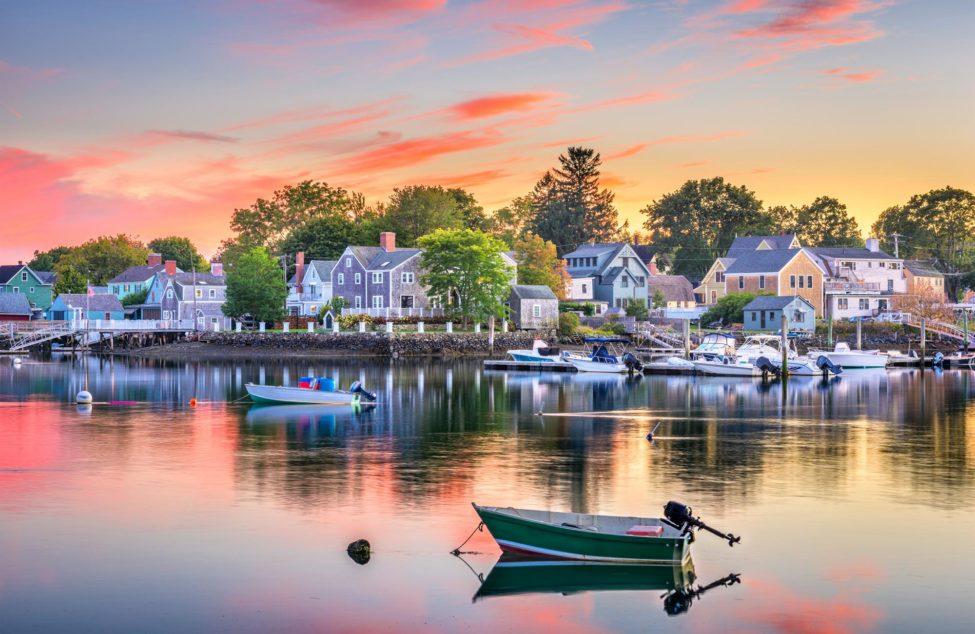
Investigating the structural mechanics that define optimal operational protocols when travel authorities evaluate the best seaside hotels in the United States requires dismantling the misconception that high-end coastal lodging excellence can be quantified through star ratings or room tariff volume alone. An optimal evaluation framework integrates microclimate architectural engineering, ecological stewardship, staff-to-guest ratios, and sensory integration into a cohesive assessment matrix. Whether examining a historic Gilded Age grand hotel in Rhode Island or a contemporary minimalist sanctuary along the California coast, the core evaluation rests on how seamlessly the property marries the raw power of the marine environment with secluded interior sanctuary.
Common misunderstandings regarding top-tier coastal resorts frequently center on assuming that physical proximity to the waterline guarantees an elite guest experience. Novice travelers often underestimate how coastal elements—such as heavy salt fog, unmitigated wind noise, or limited infrastructure access on remote peninsulas—can degrade guest comfort if engineering and acoustic mitigation are substandard. Furthermore, many observers overlook the complex regulatory frameworks governing coastal development in the United States, which strictly limit architectural expansions and dictate unique preservation challenges for historic seaside structures.
Oversimplifying these architectural, environmental, and service variables exposes travelers to mismatched expectations, seasonal operational disruptions, and underwhelming hospitality value. A comprehensive evaluation framework synthesizes environmental adaptation indexes, service delivery consistency metrics, and structural integrity audits to identify properties that sustain long-term excellence.
Deep Contextual Background
The evolution of American coastal hospitality and the growing public obsession with identifying the finest properties among the best seaside hotels in the United States reflect the broader transformation of domestic leisure travel, transportation infrastructure, and architectural movements over the past two centuries. Historically, American seaside lodging began in the early nineteenth century with modest boarding houses in places like Cape May and Newport, where urban elites sought therapeutic marine air during oppressive summer heatwaves. The subsequent expansion of transcontinental and regional railways transformed these isolated pockets into grand resort empires, exemplified by massive wooden palace hotels featuring sweeping wraparound porches designed to capture ocean breezes before the advent of mechanical air conditioning.
Concurrently, the mid-twentieth-century rise of the interstate highway system and commercial aviation decentralized coastal leisure, shifting demand toward modern motor lodges, sprawling Sunbelt mega-resorts, and secluded island sanctuaries. The contemporary era is defined by the tension between hyper-luxury wellness retreats, sustainable eco-resorts, and historic preservation properties, creating an environment where mastering the synthesis of heritage architecture and cutting-edge environmental engineering represents the hallmark of industry leadership.
Conceptual Frameworks and Mental Models
Navigating the complexities of conceptualizing, structuring, and evaluating elite coastal hospitality requires robust mental models that synthesize environmental integration, guest psychology, and operational durability.
1. The Ecosystem-Architecture Harmony Matrix
This framework maps how a property’s physical design respects and utilizes local coastal topography—such as dune preservation, cliffside stabilization, and tidal flow management—rather than imposing alien structures onto fragile marine habitats.
2. The Sensory Isolation-Immersion Curve
This mental model analyzes the delicate balance between providing guests with immersive ocean views and soundscapes versus shielding them from negative coastal irritants like high wind shear, excessive humidity, and blinding glare.
3. The Service-to-Asset Scalability Ratio
This analytical model evaluates how effectively a resort scales its personalized hospitality delivery across expansive coastal acreage without diluting attention to detail or response velocity.
Key Categories or Variations of Elite Coastal Properties
Categorizing the vast spectrum of elite American seaside hotels requires examining how distinct architectural styles, geographical settings, and operational models shape the guest experience.
-
The Historic New England Grand Resort Category: Properties defined by classic shingle-style architecture, deep maritime heritage, and sprawling lawns meeting the rocky Atlantic. Trade-off: Unmatched historical character balanced by seasonal operational windows and aging structural footprints.
-
The California Cliffside and Pacific Sanctuary Category: Modern architectural marvels cantilevered over dramatic Pacific drop-offs, emphasizing indoor-outdoor flow and wellness. Trade-off: Breathtaking visual drama balanced by marine layer fog banks and high seismic risk exposure.
-
The South Florida Tropical Luxury Category: Grand palm-fringed oceanfront estates featuring Art Deco or neoclassical styling, private beach clubs, and vibrant social scenes. Trade-off: High-energy urban-beach proximity balanced by severe humidity and hurricane management demands.
-
The Hawaiian Volcanic and Island Sanctuary Category: Expansive luxury compounds nestled between emerald mountains and turquoise Pacific waters, deeply rooted in local cultural traditions. Trade-off: Absolute natural beauty balanced by high geographic isolation and logistics costs.
-
The Low-Country Barrier Island Hideaway Category: Intimate southern coastal resorts accessible via causeways, characterized by maritime forests, salt marshes, and tidal creeks. Trade-off: Tranquil ecological immersion balanced by seasonal insect management and humidity.
-
The Pacific Northwest Rugged Eco-Lodge Category: Timber-and-glass retreats perched above stormy northern seas, prioritizing storm-watching, fireside reflection, and wild coastlines. Trade-off: Moody, dramatic natural settings balanced by persistent rainfall and cooler microclimates.
Comparison of Coastal Property Characteristics
| Resort Category | Dominant Regional Setting | Primary Architectural Style | Operational Vulnerability |
| New England Maritime | Northeast Atlantic Coasts | Shingle-style / Victorian | Short seasonal operating windows |
| California Pacific | Big Sur / Malibu / SoCal | Contemporary / Cantilevered | Marine fog & seismic activity |
| South Florida Tropical | Miami / Palm Beach / Keys | Art Deco / Neo-Classical | Hurricane & high humidity |
| Hawaiian Island | Maui / Kauai / Big Island | Open-air Polynesian Fusion | Supply chain isolation |
Realistic Decision Logic
When discerning travelers evaluate where to invest their leisure capital across diverse American coastlines, choices must anchor in seasonal timing and experiential intent. If a traveler seeks warm-water swimming, vibrant culinary scenes, and sun-drenched beach clubs during winter months, South Florida or Hawaii represents the rational choice. Conversely, if the objective is crisp autumn air, dramatic bluff walks, and historic maritime culture, a classic Maine or Massachusetts coastal resort provides the ideal operational environment.
Detailed Real-World Scenarios and Operational Dynamics
To understand how different resort categories and environmental settings manifest in actual hospitality execution, consider four distinct operational scenarios.
The Pacific Cliffside Fog Management
A luxury cliffside resort in Big Sur experiences an unseasonal, dense marine fog layer that obscures ocean views and dampens outdoor patio dining spaces for three consecutive days.
-
Constraints: High room tariffs, guests expecting panoramic sunset vistas, and open-air architectural layouts.
-
Decision Point: The general manager must decide whether to rely on natural weather progression or aggressively pivot indoor spaces to offer enhanced ambient warmth and specialized programming.
-
Failure Model: Staff maintains standard outdoor setups despite the chill and fog, leaving guests shivering and dissatisfied with their premium ocean-view investment.
-
Second-Order Effect: Deploying portable architectural fire features, indoor acoustic wellness sessions, and private tasting rooms transforms a weather impediment into an intimate, cozy fireside retreat.
The South Florida Hurricane Threat Contingency
A premier Palm Beach resort operating during peak autumn season faces a sudden hurricane warning tracking directly toward the coastline.
-
Constraints: Strict evacuation mandates, high-value guest safety obligations, and complex property securing protocols.
-
Decision Point: Executive leadership must execute hurricane shutter protocols, coordinate guest sheltering or orderly evacuation, and manage communication transparency.
-
Failure Model: Management hesitates to issue clear updates, causing widespread guest panic and logistical chaos in the lobby.
-
Second-Order Effect: Implementing a transparent, rehearsed emergency protocol preserves guest trust and protects the structural asset from severe storm damage.
The New England Seasonal Transition Window
A historic grand resort in Rhode Island approaches its final weekend of operation before closing for the winter freeze, managing an influx of nostalgic end-of-season guests.
-
Constraints: Skeleton maintenance crew, diminishing perishable food inventories, and closing-down preparations.
-
Decision Point: The director of operations must decide whether to curtail services early or maintain full luxury standards until the final checkout hour.
-
Failure Model: Letting service standards slip during the final days, leaving departing guests with a negative lasting impression of the historic property.
-
Second-Order Effect: Maintaining absolute service rigor right up to the final minute ensures stellar long-term brand reputation and high repeat booking rates for the spring reopening.
The Hawaiian Cultural Integration Challenge
An upscale resort on the Kohala Coast navigates balancing modern ultra-luxury guest demands with authentic native Hawaiian cultural preservation and environmental stewardship.
-
Constraints: Delicate coastal ecosystems, cultural sensitivities, and diverse international guest expectations.
-
Decision Point: Resort leadership must determine how to integrate local cultural practitioners and sustainable water-use policies without feeling performative.
-
Failure Model: Treating local culture as mere superficial entertainment rather than core operational ethos, leading to guest alienation and community disconnect.
-
Second-Order Effect: Partnering deeply with local community leaders to guide land management and guest education creates an authentic, high-value destination experience.
Planning, Cost, and Resource Allocation
Executing a comprehensive strategy to evaluate, book, and experience elite coastal properties requires structured financial planning covering premium seasonal tariffs, resort fees, transportation logistics, and discretionary service budgets.
Financial Dynamics and Cost Variability
| Operational Element | Estimated Financial Range | Primary Cost Driver | Financial Risk / Value Impact |
| Peak-Season Oceanfront Tariffs | $800 to $3,000+ / night | Prime maritime real estate, limited room inventory | Maximum financial outlay for prime seasonal vistas |
| Marine Maintenance Reserves | 15% to 25% of OpEx | Salt-air corrosion repair, high-wind envelope upkeep | Essential for preserving physical asset integrity |
| Resort & Beach Club Access Fees | $50 to $150 / day | Private beach cabana staffing, towel and chair upkeep | Daily incremental cost on top of room rates |
| Specialized Coastal Activities | $100 to $500 / excursion | Charter boats, guided marine tours, wellness guides | Enhances experiential value of coastal geography |
Opportunity Costs and Resource Allocation
A frequent financial miscalculation made by travelers involves booking shoulder-season stays at coastal properties without verifying whether key outdoor amenities, beach clubs, or signature restaurants are closed for seasonal maintenance. Saving money on a room rate during a coastal town’s off-season yields zero value if the beach is inaccessible and local infrastructure is shuttered. Allocating financial capital toward peak operating windows ensures full access to the comprehensive resort ecosystem.
Tools, Strategies, and Support Systems
Managing high-end coastal travel planning and ensuring seamless execution across premier properties requires utilizing luxury travel advisory networks, microclimate meteorological apps, direct concierge channels, and architectural review archives.
-
Virtuoso and Fine Hotels + Resorts Networks: Elite advisory programs providing VIP status, daily breakfast credits, room upgrades, and property-specific perks. Limitation: Requires booking through affiliated travel advisors or specific credit card portals.
-
Microclimate Marine Weather Trackers (Windy / Surfline): Advanced meteorological tools monitoring coastal wind shear, swell heights, and fog patterns. Limitation: Requires technical literacy to interpret raw meteorological data accurately.
-
Direct Concierge Communication Apps (Alice / WhatsApp): Digital channels enabling pre-arrival itinerary customization and dining reservations. Limitation: Dependent on prompt staff response times.
-
Historical Architectural and Restoration Archives: Public registries and architectural reviews detailing a property’s structural integrity and renovation history. Limitation: Academic records may not reflect immediate on-the-ground guest service changes.
-
Exclusive Airport-to-Resort Transfer Partnerships: Private helicopter or chauffeured coastal transit services managing remote resort logistics. Limitation: Substantial additional financial investment required.
-
Property Environmental Sustainability Audits: Independent certifications (such as LEED or Green Globe) measuring a coastal resort’s ecological impact. Limitation: Varies widely in rigor across different geographical regions.
Risk Landscape and Failure Modes
Operating or visiting luxury coastal hotels without rigorous risk management and environmental awareness introduces profound financial, structural, and experiential hazards.
Taxonomy of Coastal Resort Risks
-
Severe Marine Envelope Corrosion: Accelerated oxidation of structural steel, window frames, and mechanical hardware caused by airborne sea salt.
-
Extreme Weather Disruption: Sudden coastal storms, nor’easters, hurricanes, or rogue swells threatening property safety and guest mobility.
-
Coastal Erosion and Foundation Vulnerability: Rising sea levels and severe tidal action compromising shoreline structural stability.
-
Guest Expectation Mismatch: Disconnect between marketing promises of serene isolation and the reality of windy, noisy, or fog-bound marine microclimates.
Compounding Risk Events
In elite coastal hospitality management, minor initial oversights frequently compound into major operational crises. For example:
-
Initial Oversight: A resort delays scheduled maintenance on exterior balcony glass seals during a mild spring season.
-
Second-Compounded Complication: A severe winter coastal gale strikes the property, driving saltwater moisture into compromised window frames.
-
Compounding Hazard: Water infiltration damages interior guest room drywall and triggers hidden mold growth during subsequent humid summer cycles.
-
Critical Failure: Guests occupying the luxury suite experience musty odors and respiratory irritation, resulting in public review backlash and expensive emergency remediation.
This cascading vulnerability illustrates why rigorous preventive maintenance and architectural envelope integrity are non-negotiable requirements for coastal hotel management.
Governance, Maintenance, and Long-Term Adaptation
Sustaining a disciplined approach to selecting and evaluating the top coastal properties requires adherence to strict pre-season architectural audits, environmental monitoring cycles, and guest sentiment evaluations.
Monitoring and Review Cycles
Resort operators and discerning travelers must conduct continuous environmental resilience checks, quarterly structural maintenance reviews, and annual guest satisfaction trend analyses, updating operational standards based on changing climate realities. Maintaining active oversight ensures long-term asset viability.
Layered Operational Execution Checklist
-
Exterior Envelope Inspection: Audit salt-exposure damage on windows, balconies, and structural fasteners.
-
Microclimate Adaptation Review: Adjust heating, ventilation, and dehumidification systems to match seasonal coastal humidity shifts.
-
Concierge Service Alignment: Verify that local marine excursion partners meet rigorous safety and luxury standards.
-
Sustainability Compliance Audit: Review waste management, water conservation, and beach protection protocols.
-
Guest Sentiment Tracking: Analyze qualitative reviews specifically mentioning room comfort, acoustic insulation, and view quality.
Measurement, Tracking, and Evaluation
Assessing the overall operational success and experiential quality of a premier coastal hotel requires balancing quantitative performance indicators with qualitative guest sentiment signals.
Leading vs. Lagging Indicators of Success
-
Leading Indicators (Predictive of positive outcomes):
-
Proactive completion of exterior building envelope and marine corrosion maintenance cycles.
-
High utilization of pre-arrival concierge customization apps by booked guests.
-
Robust staff training regarding local marine ecosystems and cultural heritage.
-
Consistent adherence to environmental sustainability and coastal preservation standards.
-
-
Lagging Indicators (Retrospective outcome metrics):
-
Industry-leading guest satisfaction scores and high repeat-visitor retention rates.
-
Recognition in prestigious global hotel guides and architectural awards.
-
Extended operational lifespans for structural building materials and mechanical equipment.
-
Stable net operating margins despite fluctuating seasonal weather patterns.
-
Formal Documentation Examples
-
Master Coastal Asset Integrity Log: The comprehensive engineering record tracking corrosion remediation, structural reinforcements, and weatherproofing updates.
-
Guest Experience and Sentiment Dashboard: The analytics file monitoring real-time feedback regarding room comfort, noise levels, and service delivery.
-
Environmental Sustainability Report: The formal corporate document evaluating water usage, beach erosion control, and ecological stewardship.
Common Misconceptions and Oversimplifications
-
Myth: Any luxury hotel located directly on a beachfront automatically qualifies as a premier entry among the best seaside hotels in the United States.
-
Correction: True coastal excellence requires superior architectural integration, acoustic insulation, and service delivery, not merely geographic proximity to sand.
-
-
Myth: Coastal hotels can operate with standard interior maintenance schedules identical to those used by urban inland properties.
-
Correction: Marine salt-air environments accelerate hardware oxidation and textile degradation exponentially, demanding specialized daily maintenance protocols.
-
-
Myth: Remote coastal resorts in northern climates are inferior to tropical resorts because they lack year-round warm-weather swimming pools.
-
Correction: Properties in regions like Maine, Oregon, or Big Sur offer distinct world-class experiences centered on dramatic scenery, storm-watching, and fireside luxury.
-
-
Myth: Booking a coastal hotel through a mass-market discount aggregator provides the same VIP benefits and room selection as luxury advisory networks.
-
Correction: Premium amenities, priority room upgrades, and personalized service are exclusively unlocked through direct booking or certified luxury travel partners.
-
-
Myth: Environmental regulations and coastal preservation laws restrict a resort’s ability to deliver modern five-star comforts.
-
Correction: Leading sustainable resorts successfully harmonize cutting-edge luxury design with strict ecological and geological protection mandates.
-
-
Myth: Weather conditions on the coast are entirely unpredictable, making seasonal planning and resort selection a complete gamble.
-
Correction: Detailed understanding of regional microclimates, marine fog cycles, and trade-wind patterns allows travelers to select optimal visiting windows.
-
Ethical, Practical, or Contextual Considerations
Navigating the operational realities of experiencing and evaluating elite coastal hospitality involves balancing luxury consumer expectations against the broader ethical obligation to protect fragile marine ecosystems, respect indigenous cultural heritage, and support local coastal communities. While indulging in premium oceanfront leisure is a central goal, ensuring that properties practice responsible shoreline management and ecological conservation preserves these natural assets for future generations. Approaching coastal hotel evaluation through architectural awareness, environmental respect, and intellectual honesty ensures responsible, secure, and world-class travel execution.
Conclusion
Mastering the selection, evaluation, and appreciation when assessing the finest properties among the best seaside hotels in the United States requires an uncompromising integration of architectural integrity, microclimate awareness, rigorous environmental maintenance, and flawless service delivery. Moving past surface-level marketing imagery to embrace comprehensive property analysis ensures that travelers can experience extraordinary American coastal retreats with absolute confidence and uncompromised comfort.
Whether evaluating historic New England shingle estates, dramatic California cliffside sanctuaries, tropical South Florida beach clubs, or remote Hawaiian island compounds, the fundamental objective remains unchanged: achieving seamless harmony between human luxury and the raw majesty of the ocean. Prioritizing systematic curation, environmental respect, and uncompromised intellectual honesty transforms coastal travel planning into a secure, enduring foundation of transcendent discovery and refined leisure autonomy.