
How to Avoid Seaside Hotels Scams: The Definitive Security Guide
The global digital travel marketplace has democratized access to coastal destinations while simultaneously creating sophisticated vectors for fraudulent property listings, deceptive booking traps, and financial extraction schemes. Sourcing methodologies on how to avoid seaside hotel scams extend far beyond basic advice about checking online reviews or avoiding cash wire transfers; it requires a structural understanding of digital domain spoofing, fake inventory injection across online travel aggregators, unauthorized property impersonation, and hidden fee exploitation. Properties situated along marine boundaries are prime targets for fraudsters due to high seasonal demand spikes, frantic last-minute booking patterns, and the emotional vulnerability of travelers seeking high-value oceanfront experiences.
Navigating this treacherous landscape demands an analytical framework that scrutinizes digital certificate validity, payment gateway security protocols, direct-to-property verification channels, and wholesale distribution transparency. From unsuspecting tourists arriving at nonexistent beachfront villas to corporate travelers trapped in phantom cancellation fee loops, the risk profile of coastal booking fraud continues to evolve alongside digital distribution technologies. Mitigating these exposures requires proactive digital hygiene, institutional skepticism, and verified verification pipelines.
This analysis establishes a definitive reference for understanding, evaluating, and executing fraud prevention protocols within coastal hospitality procurement. By unpacking structural deception typologies, risk assessment models, verification workflows, and legal recourse frameworks, this inquiry provides a comprehensive baseline for independent travelers, corporate procurement teams, and travel curators navigating the complexities of secure seaside reservations.
Understanding “how to avoid seaside hotel scams.”
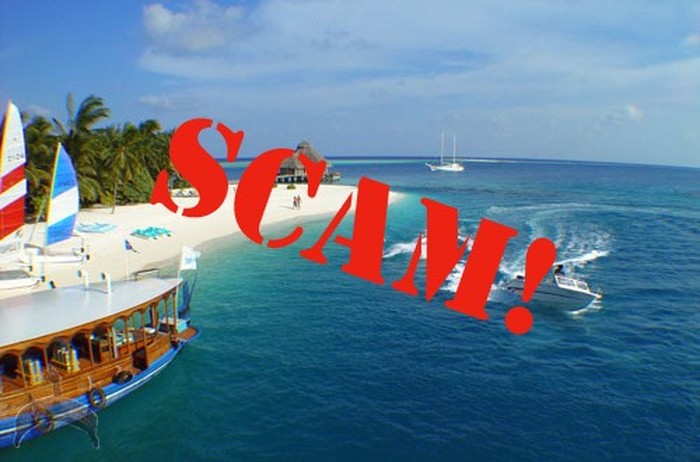
The phrase how to avoid seaside hotel scams is frequently oversimplified by consumer travel blogs and superficial safety guides that reduce complex cyber-fraud and inventory manipulation to generic warnings like “look for the padlock icon in the browser address bar” or “never book outside major platforms.” In professional travel security, digital forensics, and hospitality risk management, the phrase denotes a rigorous analytical taxonomy used to audit domain registration authenticity, detect synthetic photography manipulation, verify physical property licenses, and evaluate secure escrow payment processing. A common misinterpretation assumes that identifying travel fraud is an intuitive process easily solved by reading user-generated star ratings on public review portals. Authentic evaluation requires inspecting WHOIS domain creation dates, cross-referencing official municipal hotel licensing registries, analyzing geolocational metadata on property photographs, and verifying secure merchant of record transactions.
Oversimplifying these complex fraudulent operations as clumsy phishing attempts ignores the institutional sophistication of cyber-syndicates that build cloned booking portals, hijack legitimate hotel social media accounts, and inject phantom inventory into secondary distribution channels. Comprehensive risk mitigation is driven by multi-factor identity verification, direct telephone confirmation through independent registry loops, secure tokenized payment channels, and a deep understanding of seasonal demand exploitation. Travelers and procurement officers who rely on superficial trust markers frequently fall victim to sophisticated spear-phishing and property impersonation schemes.
True comprehension of this domain requires analyzing how distinct regional jurisdictions and digital ecosystems shape fraudulent vectors. Evaluating security for a boutique coastal rental in a loosely regulated international destination requires verifying physical property deeds and local municipal tax IDs. Conversely, evaluating a major resort booking in a heavily regulated market involves auditing authorized distributor channels and official brand domain certificates. Evaluating these options demands an analytical framework that weighs booking convenience against absolute cryptographic and legal verification.
Deep Contextual Background
The evolution of fraudulent schemes targeting coastal accommodations reflects broader shifts in digital commerce, social media marketing, cloud-based web hosting, and globalized travel distribution networks. Throughout the pre-digital era, travel scams were largely localized and analog, consisting of unlicensed boarding houses, deceptive print brochures, or fraudulent street-level ticket and room brokers operating outside major resort hubs. Verification relied on established travel agencies, physical guidebooks, and word-of-mouth recommendations within closed social networks.
A profound transition accelerated during the proliferation of online travel agencies, peer-to-peer rental marketplaces, and unverified social media booking ads. Fraudsters leveraged the anonymity of cloud hosting and global domain registrars to instantiate thousands of fake luxury seaside villa listings within hours, harvesting deposits via irreversible peer-to-peer wire transfers and cryptocurrency portals. The subsequent rise of generative artificial intelligence and synthetic media further supercharged these operations, enabling scammers to generate hyper-realistic photographs, fake promotional videos, and convincing customer service chatbots that mimic elite coastal properties with terrifying precision.
In contemporary markets, travelers must navigate sophisticated phishing campaigns, domain typosquatting, and compromised third-party distribution channels. Modern security playbooks incorporate automated domain age checkers, reverse image searches for property verification, and direct cryptographic payment protections. This marks a definitive evolution from mid-century street-level accommodation fraud to twenty-first-century cyber-syndicate deception targeting vulnerable digital bookers along global marine boundaries.
Conceptual Frameworks and Mental Models
Evaluating and executing strategies regarding how to avoid seaside hotel scams requires robust mental models that account for variables far beyond standard browser security warnings.
1. The Digital Footprint Verification Funnel
This framework maps a multi-layered verification process, requiring users to cross-reference a property’s digital presence across official municipal registries, independent satellite mapping, and verified direct communication channels before transferring funds.
2. The Payment Irreversibility Risk Matrix
This mental model quantifies the financial exposure of various payment methods, asserting that transactions utilizing irreversible methods (wire transfers, peer-to-peer apps, cryptocurrency) carry extreme fraud vulnerability compared to tokenized credit cards with robust chargeback protections.
3. The Seasonal Urgency Manipulation Index
This framework evaluates psychological pressure tactics used by fraudsters—such as artificial scarcity warnings and expiring flash sales—designed to bypass rational skepticism during peak coastal booking windows.
Key Categories and Variations of Coastal Booking Scams
Fraudulent schemes targeting seaside accommodations manifest in several distinct structural categories, each imposing unique technical vectors, financial liabilities, and detection profiles.
-
Cloned Domain and Typosquatting Portals: Sophisticated imitation websites mimicking elite seaside hotels or major booking aggregators, capturing credit card credentials and deposits. Trade-off: High technical sophistication, balanced against short domain lifespans before takedown.
-
Social Media Impersonation and Phishing Ads: Fraudulent sponsored advertisements on social platforms promoting luxury beachfront villas at impossible discounts, redirecting victims to rogue checkout pages. Trade-off: High volume reach through targeted ads, offset by platform reporting and account bans.
-
Compounded Third-Party Channel Hacking: Legitimate smaller coastal properties whose official booking engine accounts or extranet logins are compromised by cyber-criminals who intercept guest messages and demand offline wire payments. Trade-off: High credibility derived from real property data, balanced by rapid detection once guests arrive.
-
Phantom Property Listings on P2P Platforms: Nonexistent beachfront rentals created using stolen photographs of real properties, collecting deposits from travelers who arrive to find empty lots or unrelated structures. Trade-off: Low startup capital required for scammers, offset by platform identity verification checks.
-
Bail-Switch and Substandard Downgrade Cons: Legitimate operators or fraudulent agents who advertise luxury oceanview suites online but relocate arriving guests to dilapidated, windowless back-alley rooms upon arrival, refusing refunds. Trade-off: Exploits physical arrival vulnerability, balanced against severe regulatory and chargeback risk.
-
Fake Concierge and Excursion Add-On Fraud: Scammers contacting confirmed hotel guests via compromised email threads to sell fraudulent beachfront cabana reservations, boat charters, or airport transfers. Trade-off: High yield extraction from verified guests, offset by immediate internal property audit flags.
Comparison of Coastal Scam Typologies
| Scam Category | Primary Attack Vector | Technical Sophistication | Financial Recovery Rate | Primary Detection Strategy |
| Cloned Domain Portals | Typosquatting & SEO | High (Cyber-Forensics) | Very Low (Wire/Crypto) | WHOIS domain age & SSL audits |
| Social Media Ad Phishing | Sponsored Social Ads | Moderate-High | Low-Moderate | Direct brand website cross-check |
| Compromised Extranets | Stolen PMS Credentials | Moderate | Moderate | Refusing off-platform wire requests |
| Phantom P2P Listings | Stolen Property Photos | Low-Moderate | Moderate-High | Reverse image search & video walkthroughs |
| Bail-Switch Cons | Physical Impersonation | Low (On-Site) | High (Chargeback/Legal) | Written room-category guarantees |
| Concierge Phishing | Intercepted Email Threads | Moderate | Low | Direct phone confirmation with front desk |
Realistic Decision Logic
When evaluating a prospective coastal booking, travelers and corporate bookers must apply rigorous decision logic based on the verification clarity of the asset. If a property’s web domain was registered within the past thirty days, accepts only direct wire transfers or cryptocurrency, and displays prices significantly below regional market averages, the booking must be aborted immediately. Conversely, reservations processed through established merchant accounts with verified multi-year domain histories, clear physical municipal registration numbers, and secure tokenized credit card gateways present an acceptable risk profile for execution.
Detailed Real-World Scenarios and Operational Dynamics
To understand how coastal booking scams unfold in practice under real-world conditions, consider four distinct field scenarios encountered by travelers, digital security analysts, and property managers.
The Typosquatting Luxury Resort Trap
A traveler searching for a famous cliffside resort clicks a sponsored search engine result pointing to a domain name differing by a single hyphen from the official brand site.
-
Failure Mode: The victim inputs credit card details and transfers a 50% deposit for a nonexistent suite, receiving a fabricated PDF confirmation.
-
Second-Order Effect: Arrival at the actual resort reveals no record of the booking, forcing the victim to pay twice at rack rate while fraudulent charges accumulate on their compromised card.
The Compromised Extranet Wire Transfer Directive
A guest who booked a legitimate boutique seaside inn receives an urgent email message appearing to come from the hotel management, claiming a credit card processing error requires settling the remaining balance via direct wire transfer.
-
Failure Mode: The guest wires funds directly to an offshore bank account controlled by cyber-criminals who hacked the hotel’s third-party channel manager.
-
Second-Order Effect: The hotel demands payment upon check-in, denying receipt of the wire, while the guest must pursue international bank fraud recovery protocols.
The Stolen Photography Beach Villa Scam
A family books a secluded tropical beachfront villa advertised on an unverified classifieds portal, lured by stunning ocean-view photographs.
-
Failure Mode: Upon arrival at the geographic coordinates, the family finds an abandoned construction site or an unrelated residential home whose owners know nothing of the rental.
-
Second-Order Effect: Stranded in a foreign location with children, the family must scramble for emergency alternative accommodation at exorbitant peak-season rates.
The Bait-Switch Room Category Deception
A corporate traveler books a premium ocean-front suite at a major seaside hotel through a heavily discounted opaque travel site.
-
Failure Mode: Check-in agents assign a basement room facing a brick wall, claiming the platform booked a run-of-house economy inventory with no ocean view recourse.
-
Second-Order Effect: Lengthy dispute with the booking aggregator results in partial credit issuance, but the immediate trip experience is severely compromised.
Planning, Cost, and Resource Allocation
Protecting oneself against sophisticated seaside accommodation scams requires investing time, analytical discipline, and secure digital tools rather than large financial outlays. However, enterprise travel programs and frequent independent travelers must allocate resources toward advanced cybersecurity hygiene and verification workflows.
Financial Dynamics and Cost Variability
| Expense Category | Estimated Budget Range (USD) | Cost Drivers & Variables |
| Secure VPN & Encrypted Browsing Tools | $50 – $150/yr | Enterprise multi-device licenses, global server coverage |
| Credit Card Monitoring & Fraud Protection | $100 – $300/yr | Identity theft insurance, real-time transaction alerts |
| Professional Travel Security Consultancies | $1,000 – $5,000/yr | Corporate executive protection, VIP villa vetting services |
| Legal Document Translation & Verification | $200 – $1,000 total | Verifying foreign municipal hotel licenses and deeds |
Opportunity Costs and Resource Optimization
A frequent mistake made by budget-conscious travelers involves spending excessive time hunting for extreme discounts on obscure, unverified booking portals, exposing themselves to catastrophic financial loss. While vetting a property through official registries, reverse image searches, and direct telephone confirmation takes additional time, this due diligence prevents total trip forfeiture and financial fraud. Allocating focused time toward rigorous verification yields absolute security and peace of mind along unpredictable coastal travel routes.
Tools, Strategies, and Support Systems
Successfully navigating the digital landscape to execute secure coastal reservations requires an integrated suite of specialized digital tools, verification strategies, and support systems.
-
WHOIS Domain Intelligence Lookup Tools: Platforms verifying the creation date, registrar identity, and ownership transparency of hotel websites.
-
Reverse Image Search Engines: Tools analyzing property photographs to detect whether imagery has been stolen from real estate listings worldwide.
-
Tokenized Credit Card Payment Gateways: Financial instruments offering robust fraud protection and statutory chargeback rights under consumer protection laws.
-
Official Municipal Tourism Registries: Government databases verifying whether a coastal property holds a legitimate operating license and tax ID.
-
Secure Multi-Factor Authentication Managers: Digital password vaults protecting user credentials against phishing and credential-stuffing attacks.
-
Satellite Mapping and Street View Platforms: Visual verification tools confirming the physical existence of a seaside building, beach access, and surrounding infrastructure.
-
Direct Telephone Verification Protocols: Independent calling workflows using phone numbers sourced from official guidebooks rather than suspicious booking emails.
-
Bank Fraud Alert and Chargeback Systems: Financial monitoring apps enabling instant transaction freezing and dispute initiation.
Risk Landscape and Failure Modes
The risk profile of booking coastal accommodations combines standard digital commerce hazards with severe, compounding financial and physical vulnerabilities unique to travel.
Compounding Risks in Coastal Booking Fraud
-
The Stranded Traveler Crisis: Falling for a phantom property listing leaves victims in foreign coastal regions with zero accommodation, no shelter, and depleted funds.
-
Irreversible Fund Extraction: Utilizing wire transfers, cryptocurrency, or peer-to-peer payment apps eliminates all chargeback protections, locking in total financial loss.
-
Secondary Identity Theft: Phishing portals capturing credit card data and personal identification documents expose victims to long-term financial fraud and credit destruction.
-
Operational Complicity in Hacks: Legitimate hotels suffering extranet hacks refuse to honor compromised bookings, pitting innocent guests against trapped property owners.
Governance, Maintenance, and Long-Term Adaptation
Preserving booking security and personal financial integrity across recurring coastal travel requires disciplined adherence to continuous verification routines and digital hygiene maintenance.
Monitoring and Review Cycles
Frequent travelers and corporate booking managers must execute structured digital hygiene audits, including password rotation, domain legitimacy checks before booking, credit card statement reconciliations, and security software updates.
Layered Maintenance Checklist
-
Domain and SSL Certificate Verification: Checking browser security indicators and WHOIS records before submitting payment on unfamiliar hotel sites.
-
Payment Method Isolation: Utilizing virtual credit cards with strict spending limits and merchant locks for all online travel bookings.
-
Direct Communication Confirmation: Telephoning properties directly using verified, independent phone numbers to confirm receipt of online reservations and deposits.
-
Post-Trip Financial Auditing: Reconciling credit card statements immediately following travel to detect unauthorized pending charges or subscription traps.
Measurement, Tracking, and Evaluation
Evaluating the effectiveness of personal or corporate fraud prevention strategies regarding how to avoid seaside hotel scams requires tracking both qualitative security behaviors and quantitative risk reduction outcomes.
-
Quantitative Metrics: Percentage of bookings executed via secure tokenized credit cards vs. direct wire transfers, zero fraudulent transactions encountered, chargeback recovery success rate, and domain verification audit frequency.
-
Qualitative Signals: Confidence in booking channel selection, clarity of property licensing documentation, transparency of cancellation terms, and ease of direct hotel communication.
-
Documentation Standards: Maintaining an exhaustive digital archive recording official booking confirmations, direct email correspondence with hotel management, transaction receipts, and digital security audit logs ensures absolute accountability and legal protection.
Common Misconceptions and Oversimplifications
-
Myth: If a website has a secure padlock icon in the browser address bar, it is guaranteed to be a legitimate seaside hotel.Correction: Scammers easily obtain free SSL certificates for malicious typo-squatted domains; the padlock only indicates encrypted data transmission, not business legitimacy.
-
Myth: Booking through major social media advertising platforms ensures complete protection against fraudulent property listings.Correction: Cyber-criminals frequently bypass social media ad moderation filters using stolen brand assets to promote fake luxury coastal villas.
-
Myth: Paying via peer-to-peer bank transfers is safe if the seller sends official-looking PDF confirmation documents and hotel invoices.Correction: PDFs and invoices are easily forged; peer-to-peer wire transfers lack any statutory chargeback protection, guaranteeing permanent fund loss if fraudulent.
-
Myth: High user review scores on public aggregators eliminate the possibility of booking fraud or property bait-and-switch tactics.Correction: Review manipulation syndicates frequently inject fake positive reviews or hijack dormant accounts to mask fraudulent listings.
-
Myth: Coastal hotel scams only target inexperienced budget travelers looking for extreme discounts.Correction: High-net-worth individuals and corporate executives are frequently targeted by sophisticated spear-phishing and luxury villa impersonation schemes.
-
Myth: Once a fraudulent booking deposit is wired, international law enforcement agencies can easily recover the funds.Correction: Offshore cyber-syndicates rapidly launder wire transfers through multi-tier international accounts, making fund recovery virtually impossible.
Ethical, Practical, and Contextual Considerations
Navigating the digital landscape to secure authentic coastal accommodations carries a profound practical and economic responsibility. Supporting legitimate hospitality businesses that maintain valid municipal licenses, fair labor practices, and transparent booking policies upholds market integrity across the global travel sector. Furthermore, exercising rigorous digital hygiene, refusing to engage with predatory wire-transfer demands, and reporting fraudulent listings to regulatory authorities protect the broader traveling public from exploitation.
Conclusion
The identification, prevention, and mitigation of schemes targeting how to avoid seaside hotel scams represent the ultimate convergence of digital forensics, payment security hygiene, critical skepticism, and verified institutional research. By moving past superficial trust markers and confronting the rigorous operational realities of typosquatted domains, compromised extranets, phantom P2P listings, and irreversible payment vectors, travelers and corporate managers can establish secure booking workflows of absolute reliability. Whether reserving cliffside luxury resorts, historic coastal inns, or private beachfront villas, these critical security practices demand a synthesis of analytical rigor, technological vigilance, and an unyielding commitment to verified asset authenticity under shifting digital conditions.