Top Seaside Lifestyle Destinations USA: Definitive Coastal Living Guide
Evaluating human habitation and regional culture across the vast, varied ocean margins of the United States reveals an intricate geography of lifestyle migration, architectural adaptation, and local economic philosophy. When urban planners, real estate analysts, and demographic researchers examine the long-term settlement patterns of coastal dwellers, they navigate a continental tapestry spanning the salt-scoured fishing ports of northern New England, the sun-bleached surf enclaves of Southern California, and the humid, barrier-island sanctuaries of the American Southeast. Defining true excellence in these environments requires moving far beyond superficial tourism marketing to understand how distinct coastal communities sustain year-round livability, ecological resilience, and deep civic identity.
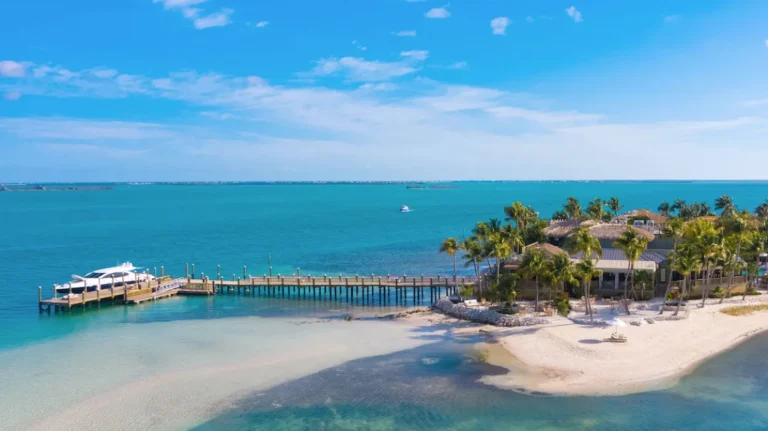
Coastal geography imposes strict operational realities, environmental pressures, and design constraints that inland municipalities rarely confront. A permanent residential enclave along the rugged cliffs of Big Sur must balance high-velocity marine winds, steep geological stability, and rigorous conservation mandates, whereas a subtropical community in the Florida Keys or a master-planned beach town in the Florida Panhandle manages intense humidity, seasonal meteorological extremes, and high-turnover visitor logistics. Effective analysis of these regions requires recognizing that an enduring maritime lifestyle is fundamentally an exercise in balancing natural vulnerability with absolute environmental harmony.
This analysis establishes an exhaustive reference blueprint for evaluating, categorizing, and selecting premier coastal enclaves across the United States. By dissecting historical evolution, analytical mental models, variable settlement classifications, and systemic risk taxonomies, this guide provides the foundational depth required to understand elite coastal living with absolute editorial authority and analytical precision.
Understanding “top seaside lifestyle destinations USA.”
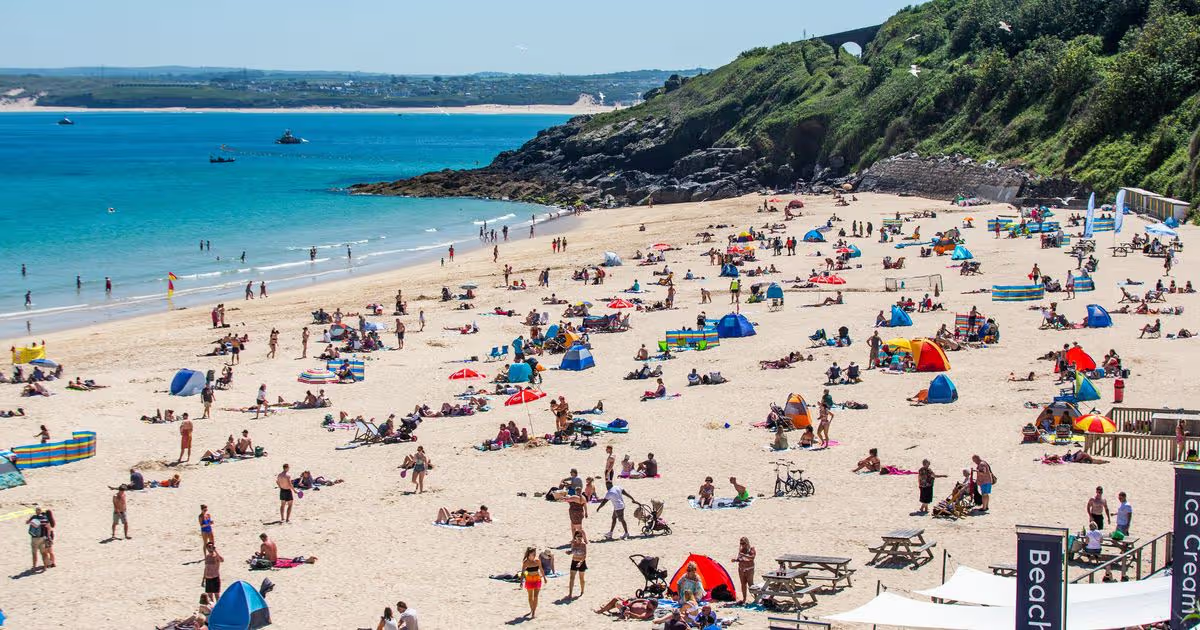
Investigating the structural mechanics that define optimal residential and cultural frameworks when analysts evaluate top seaside lifestyle destinations in the USA requires dismantling the misconception that high-end coastal livability can be quantified through median home prices or summer tourism volume alone. An optimal evaluation framework integrates microclimate architectural engineering, community social infrastructure, municipal governance resilience, and sensory integration into a cohesive assessment matrix. Whether examining a historic whaling port in Massachusetts or a contemporary design-forward surf village along the Pacific coast, the core evaluation rests on how seamlessly a community marries the raw power of the marine environment with sustained, high-quality daily existence.
Common misunderstandings regarding top-tier coastal regions frequently center on assuming that physical proximity to the ocean guarantees a balanced, low-stress lifestyle. Relocating individuals often underestimate how marine elements—such as relentless salt fog, unmitigated seasonal humidity, or restricted infrastructure access on narrow peninsulas—can degrade daily comfort and physical asset longevity if building construction and civic planning are substandard. Furthermore, many observers overlook the complex regulatory frameworks governing shoreline development in the United States, which strictly limit architectural expansions and dictate unique preservation challenges for historic structures.
Oversimplifying these architectural, environmental, and socio-economic variables exposes residents and investors to mismatched expectations, seasonal community desertion, and unexpected living costs. A comprehensive evaluation framework synthesizes environmental adaptation indexes, civic infrastructure stability metrics, and local economic diversification audits to identify regions that sustain long-term excellence.
Deep Contextual Background
The evolution of American coastal settlement and the growing public obsession with identifying the finest residential environments among various top seaside lifestyle destinations in the USA reflect the broader transformation of domestic migration, transportation infrastructure, and cultural shifts over the past two centuries. Historically, permanent American coastal habitation began out of economic necessity around nineteenth-century shipping ports, maritime trading hubs, and commercial fisheries in places like Cape May, Newport, and coastal Maine. The subsequent expansion of transcontinental and regional railways transformed these working waterfronts into seasonal recreational escapes for Gilded Age industrialists, introducing grand resort hotels and expansive summer cottage colonies.
Concurrently, the mid-twentieth-century rise of the interstate highway system, air conditioning, and commercial aviation decentralized coastal geography, turning seasonal vacation towns into year-round suburban enclaves and retirement magnets, particularly across the Sunbelt. The contemporary era is defined by the tension between hyper-gentrified resort towns, remote eco-conscious hamlets, and resilient working-class maritime communities, creating an environment where balancing heritage preservation with modern remote-work infrastructure represents the hallmark of regional success.
Conceptual Frameworks and Mental Models
Navigating the complexities of conceptualizing, structuring, and evaluating elite coastal living requires robust mental models that synthesize environmental integration, human psychology, and municipal durability.
1. The Civic-Ecosystem Symbiosis Matrix
This framework maps how a community’s physical layout respects and utilizes local coastal topography—such as dune preservation, wetland buffering, and tidal flow management—rather than imposing rigid suburban models onto fragile marine ecologies.
2. The Isolation-Accessibility Equilibrium
This mental model analyzes the delicate balance between maintaining the secluded, peaceful character of a coastal sanctuary versus ensuring reliable supply chains, healthcare access, and emergency evacuation routes during adverse weather events.
3. The Seasonal Population Elasticity Index
This analytical model evaluates how effectively a municipality scales its municipal services, waste management, and civic infrastructure during massive summer influxes without fracturing community cohesion or overwhelming local resources.
Key Categories or Variations of Coastal Settlements
Categorizing the vast spectrum of American maritime regions requires examining how distinct architectural styles, geographical settings, and local economies shape daily existence.
-
The Historic New England Maritime Port Category: Communities defined by centuries-old timber architecture, deep seafaring heritage, and walkable downtowns meeting a rocky, tide-driven ocean. Trade-off: Unmatched historical character and civic texture balanced by harsh winters and brief, intense summer operating seasons.
-
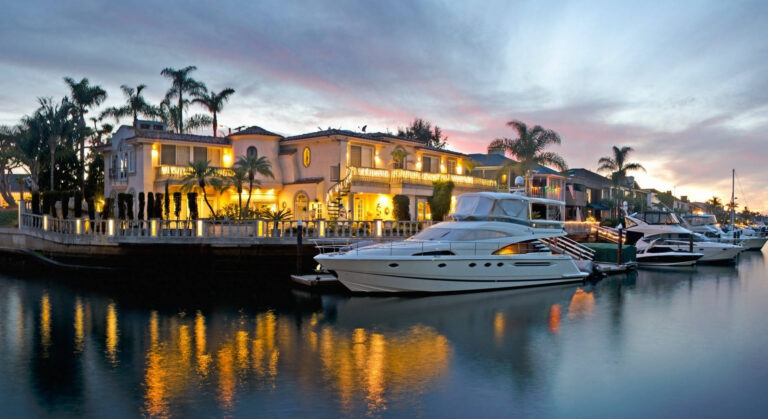
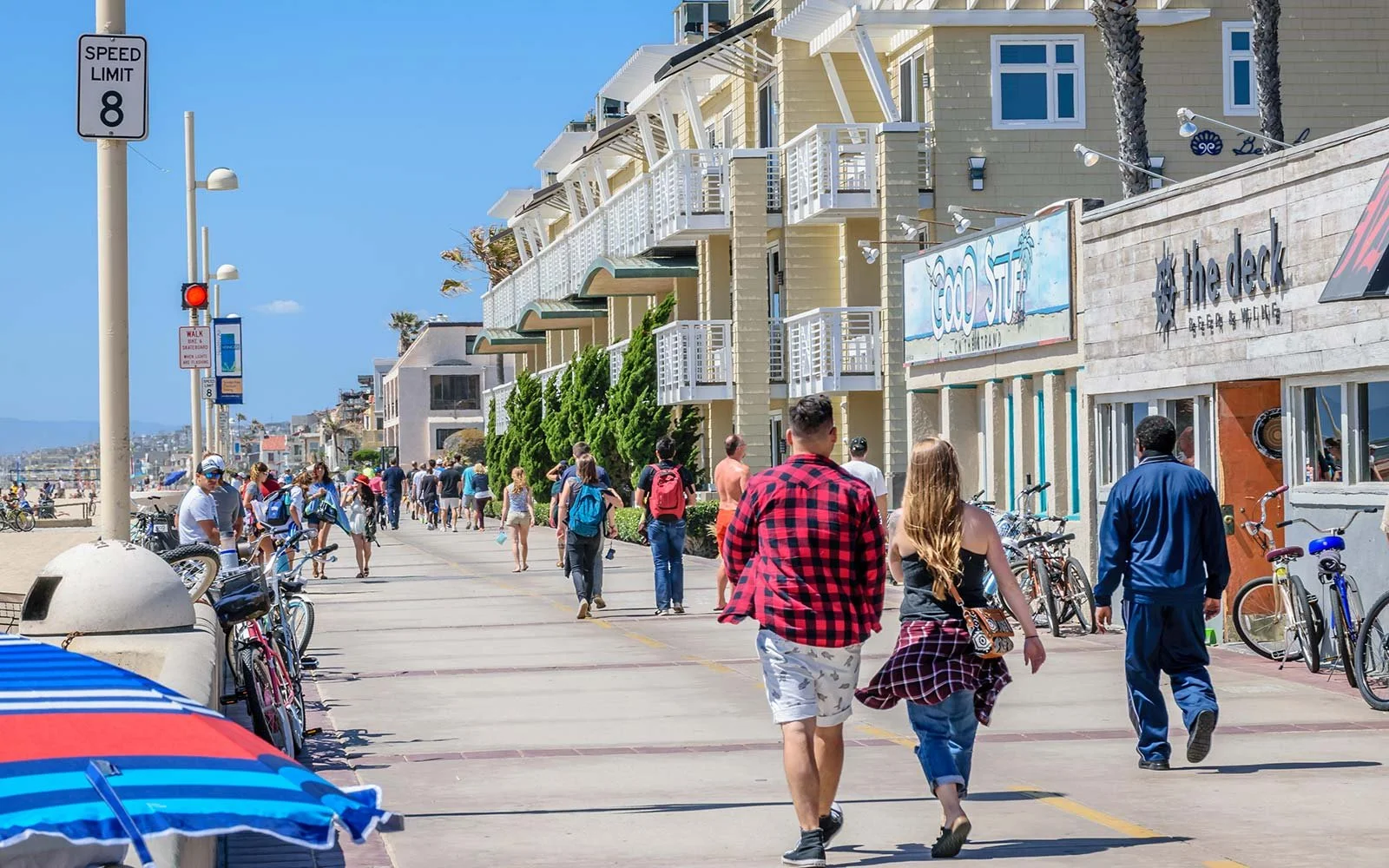
The Southern California Surf and Canyon Enclave Category: Modern architectural spaces carved into coastal bluffs and canyons, emphasizing outdoor wellness, year-round mild temperatures, and surf culture. Trade-off: High cost of living and marine layer fog banks balanced by dramatic visual beauty and cultural vitality.
-
The Subtropical Barrier Island Community Category: Master-planned or historic beach towns situated on low-lying sandy strips featuring pastel architecture, maritime forests, and direct ocean access. Trade-off: High vulnerability to tropical weather systems balanced by relaxed, pedestrian-oriented daily rhythms.
-
The Pacific Northwest Rugged Wilderness Settlement Category: Timber-and-glass hamlets nestled between ancient temperate rainforests and stormy northern seas, prioritizing solitude and natural immersion. Trade-off: Persistent rainfall and geographic isolation balanced by profound natural quiet and dramatic landscapes.
-
The Gulf Coast Low-Country Cultural Haven Category: Intimate coastal towns characterized by salt marshes, historic oak canopies, distinct regional culinary traditions, and tidal creeks. Trade-off: Summer humidity and insect management balanced by deep-rooted community warmth and slower pacing.
-
The Hawaiian Volcanic and Island Settlement Category: Multi-cultural island communities nestled between emerald mountain ranges and turquoise waters, deeply tied to agricultural and marine traditions. Trade-off: High cost of goods and geographic separation balanced by unmatched natural and cultural richness.
Comparison of Coastal Settlement Characteristics
| Settlement Category | Dominant Regional Setting | Primary Architectural Style | Civic & Operational Vulnerability |
| New England Maritime | Northeast Atlantic Coasts | Colonial / Federal / Shingle | Severe winter weather & seasonal economy |
| Southern California | Pacific Coastline / Bluffs | Mid-Century Modern / Contemporary | High density & seismic exposure |
| Subtropical Barrier Island | Southeast & Gulf Coasts | Coastal Vernacular / Stilt Homes | Tropical storm exposure & insurance costs |
| Pacific Northwest | Washington / Oregon Coast | Northwest Regional / Timber | Persistent precipitation & isolation |
Realistic Decision Logic
When prospective residents evaluate where to establish roots across diverse American coastlines, choices must anchor in seasonal tolerance and lifestyle pacing. If a resident prioritizes year-round warm-water access, outdoor fitness, and a vibrant cultural economy, Southern California or the Florida coast represents the rational choice. Conversely, if the objective is four distinct seasons, deep historical architecture, and a quiet, intellectual community fabric, a northern New England coastal town provides the ideal environment.
Detailed Real-World Scenarios and Operational Dynamics
To understand how different regional categories and environmental settings manifest in actual daily living, consider four distinct operational scenarios.
The Pacific Bluff Erosion Management
A coastal homeowner in a Southern California bluff community discovers accelerated soil slumping along their property line following an unusually wet winter storm cycle.
-
Constraints: Strict geological zoning codes, expensive geotechnical engineering requirements, and proximity to public coastal access paths.
-
Decision Point: The property owner must decide whether to pursue a costly, long-term subterranean shoring project or negotiate shared community stabilization measures with municipal authorities.
-
Failure Model: Ignoring minor initial settling to avoid short-term expense, leading to catastrophic structural compromise of the primary foundation during subsequent heavy rainfall.
-
Second-Order Effect: Engaging certified geotechnical engineers early to install discrete, eco-friendly drainage systems preserves property value while maintaining structural safety and neighborhood aesthetics.
The Barrier Island Evacuation Protocol
A subtropical barrier island community in the Southeast issues a mandatory evacuation order 48 hours before the anticipated landfall of a major hurricane.
-
Constraints: Single-causeway access routes, high tourist populations, and critical municipal infrastructure vulnerability.
-
Decision Point: Local governance must coordinate phased traffic reversal, secure public utilities, and ensure vulnerable year-round residents have transit support.
-
Failure Model: Inconsistent communication from local officials creates sudden traffic bottlenecks on the sole bridge, trapping residents in gridlock as weather conditions deteriorate.
-
Second-Order Effect: Practicing disciplined, transparent emergency communication builds enduring civic trust and minimizes property loss during severe weather events.
The New England Off-Season Economic Transition
A small historic coastal village in Maine navigates the complex economic shift from a bustling summer tourist hub to a quiet, isolated winter community of permanent residents.
-
Constraints: Plummeting retail revenues, seasonal business closures, and limited local employment diversification.
-
Decision Point: Local entrepreneurs and town councils must determine whether to develop remote-work infrastructure or rely strictly on traditional maritime trades during the winter months.
-
Failure Model: Allowing community infrastructure to hibernate completely, leaving year-round residents isolated and lacking basic medical or commercial support services.
-
Second-Order Effect: Cultivating year-round digital enterprise and community-led winter programming stabilizes the local economy and preserves the town’s social fabric.
The Pacific Northwest Rain-Season Moisture Control
A resident in a timber-and-glass home along the Washington coast manages persistent indoor humidity and mold pressures during the multi-month winter rainy season.
-
Constraints: Dense forest canopy blocking natural sunlight, constant atmospheric moisture, and delicate wooden architectural framing.
-
Decision Point: The homeowner must implement continuous mechanical dehumidification systems and specialized marine-grade wood treatments without ruining the home’s open-plan aesthetic.
-
Failure Model: Relying solely on passive ventilation during winter storms, leading to hidden wood rot and degraded indoor air quality.
-
Second-Order Effect: Integrating automated climate-control systems and proactive exterior maintenance routines ensures the physical longevity of the structure in a challenging marine climate.
Planning, Cost, and Resource Allocation
Executing a comprehensive strategy to relocate, purchase property, or establish a sustainable lifestyle within a premier coastal region requires structured financial planning covering property acquisition, specialized insurance, maintenance reserves, and municipal taxation.
Financial Dynamics and Cost Variability
| Operational Element | Estimated Financial Range | Primary Cost Driver | Financial Risk / Value Impact |
| Coastal Real Estate Acquisition | $600,000 to $4,000,000+ | Waterfront proximity, view corridors, lot size | Maximum initial capital outlay |
| Specialized Property Insurance | $4,000 to $25,000+ / year | Flood zones, windstorm riders, wildfire exposure | High recurring operational overhead |
| Marine Maintenance Reserves | 2% to 5% of home value/year | Salt corrosion, roof wind-fastening, wood rot | Essential for preventing catastrophic decay |
| Municipal & District Taxes | Varies widely by region | Local school districts, beach nourishment fees | Ongoing cost affecting long-term affordability |
Opportunity Costs and Resource Allocation
A frequent financial miscalculation made by prospective coastal residents involves underestimating the total cost of ownership associated with marine-environment degradation. Purchasing a coastal home without allocating liquid capital for specialized corrosion-resistant fasteners, high-wind impact windows, and frequent exterior painting guarantees rapid asset depreciation. Allocating financial resources toward preventive structural hardening rather than cosmetic interior upgrades ensures long-term asset preservation.
Tools, Strategies, and Support Systems
Managing long-term coastal living and ensuring seamless property maintenance requires utilizing specialized architectural engineers, flood-zone mapping tools, marine insurance advisory networks, and local community associations.
-
FEMA Flood Map Service Center: Official federal databases detailing flood zones, base flood elevations, and mandatory insurance boundaries. Limitation: Historical data may lag behind rapid local sea-level and drainage shifts.
-
Marine-Grade Architectural and Engineering Consultancies: Specialized firms offering structural assessments tailored to high-wind and salt-air environments. Limitation: Premium consulting fees apply for specialized regional expertise.
-
Advanced Meteorological and Tide Monitoring Apps: Real-time tracking tools for swell heights, king tides, and storm surge warnings. Limitation: Requires active monitoring and interpretation by the resident.
-
Local Conservation Trusts and Land Commissions: Community organizations guiding sustainable land use, dune protection, and zoning compliance. Limitation: Restricts certain private property modifications to protect local ecosystems.
-
Specialized Coastal Contractor Networks: Tradespeople experienced in marine corrosion repair, impact-resistant glazing, and salt-tolerant landscaping. Limitation: High demand often leads to extended project scheduling delays.
-
Municipal Emergency Management Portals: Local government channels providing real-time evacuation notices and utility updates. Limitation: Dependent on local infrastructure resilience during major storms.
Risk Landscape and Failure Modes
Operating or residing in premier coastal regions without rigorous risk management and environmental awareness introduces profound financial, structural, and personal hazards.
Taxonomy of Coastal Living Risks
-
Accelerated Marine Material Corrosion: Rapid oxidation of metal fasteners, electrical conduits, and HVAC components caused by airborne salinity.
-
Extreme Meteorological Disruption: Severe tropical storms, nor’easters, atmospheric rivers, or rogue storm surges threatening personal safety and property integrity.
-
Shoreline Erosion and Subsidence: Gradual loss of buildable land and foundation stability due to wave action and rising sea levels.
-
Infrastructure Bottlenecks and Isolation: Vulnerability of single-access bridges, power grids, and water systems during natural disasters.
Compounding Risk Events
In coastal property management and lifestyle planning, minor initial oversights frequently compound into major operational crises. For example:
-
Initial Oversight: A homeowner delays clearing exterior drainage channels and checking roof flashing before the rainy season.
-
Second-Compounded Complication: An intense coastal storm brings heavy wind-driven rain that overflows the blocked channels, driving moisture into the wall cavity.
-
Compounding Hazard: High ambient coastal humidity traps the moisture inside the wall framing, triggering hidden structural mold growth over several weeks.
-
Critical Failure: The structural integrity of the timber framing is compromised, requiring invasive remediation, extensive drywall replacement, and a significant loss of property value.
This cascading vulnerability illustrates why rigorous preventive maintenance and environmental vigilance are non-negotiable requirements for sustainable coastal living.
Governance, Maintenance, and Long-Term Adaptation
Sustaining a disciplined approach to evaluating and maintaining a coastal residence requires adherence to strict pre-season architectural audits, environmental monitoring cycles, and community governance participation.
Monitoring and Review Cycles
Residents and community leaders must conduct continuous environmental resilience checks, bi-annual structural maintenance reviews, and active municipal budget evaluations, updating safety standards based on changing climate realities. Maintaining active oversight ensures long-term property and community viability.
Layered Operational Execution Checklist
-
Exterior Envelope Inspection: Audit salt-exposure damage on windows, exterior siding, and structural fasteners.
-
Drainage System Audit: Clear gutters, downspouts, French drains, and stormwater retention swales before seasonal storms.
-
Emergency Supply Verification: Stock autonomous water, power generation, and communication backups for isolated storm events.
-
Insurance Policy Review: Confirm adequate coverage for windstorm, flood, and liability protection annually.
-
Community Engagement: Participate in local zoning and coastal management meetings to advocate for long-term ecological protection.
Measurement, Tracking, and Evaluation
Assessing the overall quality and sustainability of life in a coastal region requires balancing quantitative community indicators with qualitative lifestyle satisfaction signals.
Leading vs. Lagging Indicators of Success
-
Leading Indicators (Predictive of positive long-term outcomes):
-
Proactive municipal investment in beach nourishment, dune restoration, and stormwater infrastructure.
-
Active local participation in conservation trusts and watershed management programs.
-
Stable year-round population retention and diversified local economic activity.
-
Consistent adherence to strict coastal building codes and environmental zoning laws.
-
-
Lagging Indicators (Retrospective outcome metrics):
-
Long-term appreciation of real estate asset values relative to inland markets.
-
High levels of civic satisfaction and low community turnover rates.
-
Extended physical lifespans of residential structures and municipal infrastructure.
-
Resilience of local emergency services during extreme weather events.
-
Formal Documentation Examples
-
Master Property Maintenance and Corrosion Log: The comprehensive engineering record tracking painting cycles, metal replacements, and weatherproofing updates.
-
Municipal Comprehensive Land-Use Plan: The official government document guiding zoning, environmental protection, and infrastructure development.
-
Community Emergency Preparedness Manual: The localized protocol detailing evacuation routes, shelter locations, and communication trees.
Common Misconceptions and Oversimplifications
-
Myth: Living in a coastal region guarantees an effortless, low-stress lifestyle centered entirely around relaxation.
-
Correction: Coastal living involves active property maintenance, weather vigilance, and infrastructural management that can be demanding.
-
-
Myth: Standard residential construction materials perform identically near the ocean as they do in inland suburban environments.
-
Correction: Marine salt air accelerates corrosion exponentially, requiring specialized stainless steel fasteners, marine-grade aluminum, and treated finishes.
-
-
Myth: Remote coastal hamlets offer the same year-round convenience and service availability as major metropolitan areas.
-
Correction: Small coastal enclaves often experience reduced winter services, limited healthcare access, and longer supply-chain delivery times.
-
-
Myth: Purchasing property in a coastal zone exempts the owner from strict local zoning and environmental building restrictions.
-
Correction: Coastal developments face some of the most rigorous environmental oversight, historic preservation mandates, and land-use restrictions in the country.
-
-
Myth: Climate risks in coastal zones can be entirely mitigated by purchasing comprehensive insurance policies.
-
Correction: Insurance mitigates financial loss, but it does not prevent structural disruption, property displacement, or emotional stress during extreme weather events.
-
-
Myth: Seasonal towns are entirely dormant during the off-season, offering zero cultural or social engagement for permanent residents.
-
Correction: Many coastal communities foster tight-knit, highly active year-round local populations that value deep community engagement over tourist-driven commerce.
-
Ethical, Practical, or Contextual Considerations
Navigating the realities of establishing a life in elite coastal regions involves balancing personal lifestyle desires against the broader ethical obligations to protect fragile marine ecosystems, respect public shoreline access, and support local working waterfronts. While enjoying the beauty of the ocean is a primary goal, ensuring that property owners practice responsible shoreline management, water conservation, and ecological stewardship preserves these natural environments for future generations. Approaching coastal settlement through architectural awareness, environmental respect, and intellectual honesty ensures responsible, secure, and sustainable living.
Conclusion
Mastering the selection, evaluation, and cultivation of a life across the nation’s premier maritime edges requires an uncompromising integration of architectural resilience, microclimate awareness, rigorous environmental maintenance, and active civic participation. Moving past surface-level promotional ideals to embrace comprehensive regional analysis ensures that individuals can establish enduring coastal roots with absolute confidence and practical preparedness.
Whether evaluating historic New England maritime ports, Southern California surf enclaves, subtropical barrier islands, or rugged Pacific Northwest wilderness settlements, the fundamental objective remains unchanged: achieving seamless harmony between human habitation and the dynamic majesty of the ocean. Prioritizing systematic evaluation, environmental respect, and intellectual honesty transforms coastal lifestyle planning into a secure, enduring foundation of personal fulfillment and long-term stability.