
Best Seaside Hotels Packages: The Definitive Revenue & Operational Guide
The architecture of commercial hospitality reveals a complex synthesis of yield management, inventory forecasting, and experiential packaging. Along the tidal boundaries of the Mediterranean, the Atlantic seaboard, and tropical marine reserves, properties operating at the peak of the industry do not merely sell rooms; they construct multi-layered commercial bundles designed to balance seasonal occupancy curves, maximize RevPAR, and insulate asset revenues against market volatility. Rather than functioning as static room-rate discounts, premier resort promotions require sophisticated operational structuring that aligns food and beverage throughput, spa capacity, and third-party excursion partnerships under rigorous margin constraints.
Evaluating the mechanics and strategic performance of these offerings requires looking past promotional imagery to analyze variable-cost absorption ratios, minimum-stay yield hurdles, cancellation penalty matrices, and long-term asset adaptation strategies. From sprawling island compounds bundling inter-island transfers and marine conservation excursions to cliffside boutique hotels curating seasonal culinary residencies, these promotional frameworks demand specialized financial modeling. The long-term financial resilience and brand equity of these properties depend on striking an unyielding balance between perceived consumer value and strict operational cost control under shifting macroeconomic pressures.
This analysis provides a definitive reference for understanding, evaluating, and categorizing the systemic frameworks that govern elite coastal promotional models. By unpacking the structural variations, operational risk profiles, economic models, and governance frameworks that dictate this tier of hospitality asset management, this inquiry establishes a foundational perspective on how high-end capital interacts with some of the most dynamic and vulnerable coastal geographies on earth to engineer profitable, high-satisfaction guest journeys.
Understanding “best seaside hotels packages.”
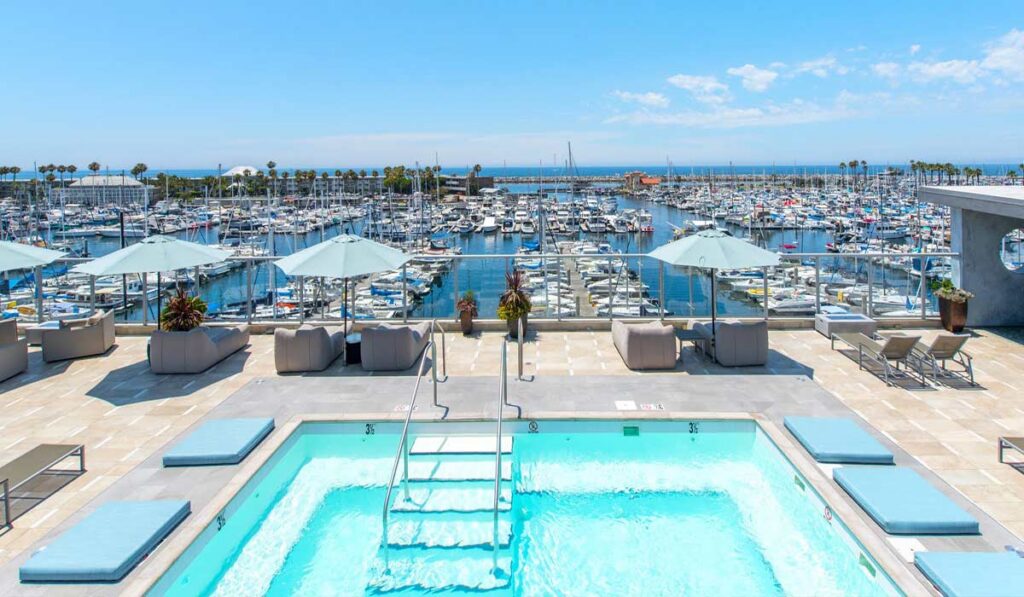
The phrase best seaside hotels packages is frequently flattened by consumer aggregators and general travel blogs that reduce complex hospitality financial engineering to promotional marketing copy, superficial room discounts, and subjective review aggregations. In professional asset management, revenue optimization, and hospitality development terms, the phrase denotes a rigorous analytical taxonomy used to evaluate multi-component commercial offers based on marginal cost thresholds, inventory yield management, cross-departmental revenue sharing, and long-term brand equity protection. A common misinterpretation assumes that evaluating the best seaside hotel packages is merely an exercise in comparing total dollar discounts or counting included breakfast trays. Authentic evaluation requires verifying the underlying cost-of-goods-sold (COGS) for bundled amenities, tracking displacement ratios during high-demand shoulder seasons, analyzing cancellation indemnities, and understanding contract terms with external excursion vendors.
Oversimplifying these commercial offerings as interchangeable promotional gimmicks ignores the severe operational realities of coastal environments and the delicate balance of resort yield management. Asset valuation and long-term performance are driven by structural control over variable expenses, intelligent capacity throttling across high-demand amenities like spas and fine dining, and the mitigation of revenue cannibalization where full-fare guests downgrade to bundled rates. Properties that deploy poorly modeled promotions without accounting for local labor shortages, seasonal utility cost spikes, or unpredictable marine weather face severe margin erosion and operational gridlock, regardless of initial booking volume.
Deep Contextual Background
The evolution of elite coastal promotional structures reflects broader shifts in tourism economics, aviation networks, information technology, and global wealth mobility. Throughout the nineteenth and early twentieth centuries, seaside hotels operated on rigid seasonal calendars with simple American-plan pricing, where room rates universally included three formal meals served in grand dining halls. These early properties—such as grand wooden hotels along the New England coast or initial grand palaces along the Riviera—relied on manual ledger accounting and long-stay aristocratic clienteles who remained anchored to the property for entire summer seasons without complex promotional incentives.
A profound commercial transition accelerated during the mid-to-late twentieth century, driven by the advent of commercial aviation, computerized reservation systems (CRS), and the democratization of international leisure travel. Revenue managers began moving away from static seasonal pricing toward dynamic yield management, unbundling room rates from food services and introducing specialized promotional tiers to smooth out erratic occupancy curves during shoulder and low seasons. The expansion of digital booking platforms further transformed coastal property marketing, prompting the development of highly targeted, multi-attribute rate products that integrated spa credits, private transfers, and bespoke activities directly into digital distribution channels.
In contemporary markets, commercial planning must navigate tightening regulatory scrutiny regarding consumer pricing transparency, accelerating climate volatility, and heightened guest expectations for hyper-personalized flexibility. Modern promotional blueprints frequently incorporate real-time dynamic pricing algorithms, automated inventory hold allocations, closed-loop loyalty rewards, and carbon-offset integration. This marks a definitive evolution from nineteenth-century American-plan boarding houses to twenty-first-century data-driven commercial ecosystems capable of optimizing revenue yields across delicate marine economies.
Conceptual Frameworks and Mental Models
Evaluating, structuring, and managing commercial promotions often categorized among the best seaside hotel packages requires robust mental models that account for variables far beyond standard occupancy percentages or average daily rates (ADR).
1. The Marginal Cost and Amenity Cannibalization Matrix
This framework quantifies the true incremental cost to the property of including ancillary services—such as spa treatments, food credits, or boat transfers—against the revenue uplift generated by securing the booking. It evaluates whether a bundled amenity cannibalizes high-margin cash spending or successfully drives net-positive RevPAR.
2. The Shoulder-Season Yield Smoothing Model
This mental model maps promotional rate elasticity against historical booking velocity curves. It dictates the precise depth of discounts and inclusion weighting required to stimulate demand during low-occupancy windows without degrading baseline brand positioning.
3. The Cross-Departmental Capacity Throttling Index
This framework assesses how promotional volume interacts with fixed physical constraints across resort departments, such as kitchen line throughput, spa treatment room availability, and watercraft inventory, preventing operational bottlenecks during peak promotional redemption windows.
Key Categories and Variations of Promotional Structures
High-end coastal hospitality assets deploy several distinct promotional architectures, each imposing unique operational trade-offs, financial risk profiles, and guest demographic targets.
-
All-Inclusive Culinary and Beverage Retreats: Sprawling resort packages bundling multi-course dining, premium cellar selections, and open bar access across multiple coastal venues. Trade-off: High initial booking conversion and strong perceived value, balanced against extreme exposure to food cost inflation and high waste ratios.
-
A-la-Carte Wellness and Longevity Bundles: Low-density resort structures featuring bundled daily spa treatments, private yoga instruction, and nutritional consultation sessions. Trade-off: High average daily rates (ADR) and attraction of high-spending wellness travelers, offset by strict scheduling bottlenecks in spa facilities.
-
Adventure and Marine Exploration Packages: Coastal property offerings integrating scuba diving excursions, yacht charters, guided coastal hikes, and equipment rentals. Trade-off: Exceptional differentiation and experiential appeal, balanced against heavy third-party liability exposure and weather-dependent cancellation risks.
-
Multi-Generational Family Holiday Bundles: Comprehensive promotional models incorporating kids’ club access, connected suite allocations, and family dining credits. Trade-off: High occupancy volume during school holiday windows, offset by significant wear-and-tear on property assets and specialized staffing overhead.
-
Extended Stay Digital Nomad and Workation Packages: Long-duration promotional rates featuring weekly housekeeping caps, dedicated ergonomic workspace assignments, and high-speed enterprise Wi-Fi guarantees. Trade-off: Exceptional baseline occupancy stabilization during traditional low seasons, offset by lower daily food and beverage spend per occupied room.
Comparison of Promotional Typologies
| Typology | Primary Target Demographic | Operational Complexity | Core Financial Risk | Primary Revenue Advantage |
| All-Inclusive Culinary | Leisure Couples / Groups | High (Food & Bev Volume) | Food inflation & waste | High upfront conversion |
| Wellness & Longevity | High-Net-Worth Solo/Couples | Medium-High (Spa Scheduling) | Therapist labor shortages | High ADR realization |
| Marine Exploration | Active Travelers / Families | High (Vendor Liability) | Weather cancellation loss | Strong experiential differentiation |
| Multi-Generational Family | Extended Families | High (Staffing & Wear) | Asset depreciation | High baseline volume |
| Extended Stay Workation | Location-Independent Pros | Low-Medium (Utility Load) | Low F&B ancillary spend | Shoulder-season stabilization |
Realistic Decision Logic
When structuring commercial promotional campaigns for coastal assets, executive revenue committees must weigh local seasonal demand elasticity, variable operating costs, and brand positioning thresholds. Properties situated in highly seasonal Mediterranean or northern European coastal markets often deploy aggressive shoulder-season wellness or culinary packages with strict minimum-stay hurdles, absorbing lower margins in order to cover fixed overhead and retain core staff. Conversely, properties operating in year-round tropical archipelagos utilize highly restricted, value-add packages (such as complimentary transfers or spa credits) during peak windows rather than discounting headline room rates, protecting brand integrity while capturing incremental market share.
Detailed Real-World Scenarios and Operational Dynamics
To understand how properties offering the best seaside hotel packages perform under operational and financial stress, consider four distinct field scenarios encountered by revenue directors, general managers, and financial controllers.
Unforeseen Weather Disruptions to Marine Exploration Packages
A resort sells a high-tariff marine adventure package that includes daily snorkeling and sailing excursions, but a week-long tropical storm system halts all water activities.
-
Failure Mode: Guests demand massive cash refunds or proportional package discounts for unfulfilled excursions, creating severe customer friction and revenue leakage.
-
Second-Order Effect: Implementation of weather-contingency substitution terms in package contracts, offering dynamic indoor wellness or culinary credits automatically when marine excursions are canceled.
Spa Capacity Gridlock from Wellness Package Redemptions
A boutique cliffside hotel promotes an aggressive spa-weekend package, resulting in 100% redemption rates that instantly overwhelm the property’s four treatment rooms.
-
Failure Mode: Guests cannot book their included treatments, leading to furious complaints, negative review velocity, and heavy compensation payouts.
-
Second-Order Effect: Deployment of hard capacity caps on package inventory, integration of dynamic booking algorithms that restrict package sales based on real-time spa schedule availability, and extended operating hours.
Food Cost Inflation Eclipsing All-Inclusive Margins
Global supply chain disruptions spike the cost of imported beef, seafood, and premium wine during a promotional all-inclusive summer culinary campaign.
-
Failure Mode: The actual cost of goods sold (COGS) for bundled dining exceeds the allocated package revenue per room, turning profitable bookings into net operating losses.
-
Second-Order Effect: Redesigning package menus to emphasize high-margin local ingredients, dynamic pricing updates for future bookings, and tighter inventory portion controls.
High-Volume Redemption Cannibalizing Full-Fare Revenue
A luxury resort introduces a broad 30% discount package during a peak holiday window, unintentionally attracting guests who would have booked at full rack rate.
-
Failure Mode: Severe revenue cannibalization occurs as high-paying regular guests shift to the discounted package, depressing overall top-line yield.
-
Second-Order Effect: Restricting promotional rate codes behind strict advance-purchase windows, opaque distribution channels, and mandatory minimum-stay hurdles that exclude peak holiday dates.
Planning, Cost, and Resource Allocation
Developing, pricing, and managing elite coastal promotional structures requires sophisticated financial architecture. Beyond standard marketing expenses, revenue management software, cross-departmental cost accounting, and third-party vendor commissions demand rigorous capital and operational allocations.
Financial Dynamics and Cost Variability
| Expense Category | Estimated Budget Range (USD) | Cost Drivers & Variables |
| Revenue Management & CRM Software | $30,000 – $150,000+ | Software licensing, automated pricing algorithms, data integration |
| Promotional Marketing & Digital Ads | $50,000 – $300,000+ | Paid search, social media acquisition, targeted email campaigns |
| Third-Party Excursion & Vendor Commissions | 15% – 30% of activity cost | Marine charter fees, tour operator contracts, liability insurance |
| Package Fulfillment Operational Overheads | Variable (10% – 25% of Rev) | Additional staffing, linen turnover, food prep, spa product consumption |
Opportunity Costs and Resource Optimization
A frequent financial miscalculation involves underestimating the opportunity cost of displacing high-spending, unbundled transient guests with heavily discounted package travelers. While filling rooms via aggressive promotional bundles improves headline occupancy metrics, if the bundled guests spend zero ancillary dollars on private dining, wine cellars, or spa treatments, the property may achieve lower gross operating profit (GOP) than it would have running at a lower occupancy with high-yield transient guests. Optimizing resource allocation requires continuous marginal-contribution analysis for every active promotional code in the distribution mix.
Tools, Strategies, and Support Systems
Successfully executing complex maritime promotional operations requires an integrated suite of specialized software, revenue management tools, and physical support systems.
-
Automated Revenue Management Systems (RMS): Enterprise forecasting software dynamically adjusting package pricing based on historical demand, competitor rates, and flight booking data.
-
Central Reservation Systems (CRS) with Dynamic Bundling: Advanced booking engines allowing guests to customize package inclusions while maintaining strict inventory control.
-
Customer Relationship Management (CRM) Segmentation Suites: Software tracking guest preferences and past promotional redemption habits to deliver targeted upsell offers.
-
Retained Hospitality Financial Consultancies: Specialized firms auditing package profitability, marginal cost structures, and channel distribution efficiency.
-
Inventory Capacity Allocation Dashboards: Real-time operational tools preventing overbooking of restricted amenities like spa slots or boat charters.
-
Dynamic Channel Manager Interfaces: Unified software pushing package availability and rates simultaneously across direct websites, OTAs, and wholesale partners.
-
Automated Guest Itinerary Scheduling Portals: Digital apps enabling guests to pre-book package inclusions prior to arrival, smoothing out operational throughput.
-
COGS Tracking and Margin Analytics Tools: Financial software monitoring real-time food, beverage, and amenity fulfillment costs against allocated package revenue.
Risk Landscape and Failure Modes
The risk profile of elite coastal promotional management combines standard hospitality financial hazards with severe, compounding operational and distribution vulnerabilities unique to maritime assets.
Compounding Risks in Coastal Promotional Management
-
The Discount Spiral and Brand Degradation: Over-relying on aggressive promotional discounting to solve short-term cash flow problems permanently damages the property’s pricing power and luxury brand positioning.
-
Channel Parity and Distribution Friction: Inconsistent package pricing across third-party OTAs, wholesale partners, and direct booking engines leads to channel conflict and consumer distrust.
-
Capacity-Exceeding Redemption Failures: Selling unlimited promotional inclusions (such as open spa access or unlimited water sports) without capacity caps leads to widespread service failure and negative review velocity.
-
Weather-Driven Financial Exposure: Offering inflexible, weather-dependent package inclusions without proper force majeure clauses creates massive liability during regional storm seasons.
Governance, Maintenance, and Long-Term Adaptation
Preserving the financial profitability, brand equity, and operational integrity of a coastal property’s promotional offerings requires disciplined adherence to rigorous review cycles and continuous performance governance.
Monitoring and Review Cycles
Revenue managers, general managers, and financial controllers must execute structured daily pickup reports, weekly channel contribution audits, monthly package margin analyses, and seasonal promotional strategy overhauls.
Layered Promotional Governance Checklist
-
Daily Pickup and Pace Audits: Monitoring booking velocity against historical curves to adjust promotional rate restrictions in real time.
-
Weekly Amenity Cost-of-Goods Reviews: Auditing actual consumption data for bundled food, beverage, and spa services to ensure margins remain within target thresholds.
-
Monthly Distribution Channel Parity Checks: Verifying that package rates and inclusions are displayed consistently across all direct and third-party booking channels.
-
Seasonal Promotional Portfolio Overhauls: Evaluating the performance of expired packages and redesigning promotional offerings to align with shifting macroeconomic and weather patterns.
Measurement, Tracking, and Evaluation
Evaluating the commercial success, profitability, and operational efficiency of coastal promotional packages requires tracking both quantitative financial metrics and qualitative brand signals.
-
Quantitative Metrics: Net RevPAR, Gross Operating Profit per Available Room (GOPPAR), package ancillary spend capture rates, distribution channel acquisition costs, and length-of-stay averages.
-
Qualitative Signals: Guest satisfaction scores regarding package clarity, perceived value-for-money, ease of amenity redemption, and post-stay brand sentiment.
-
Documentation Standards: Maintaining an exhaustive digital archive recording historical package performance data, margin calculations, contractual vendor agreements, and post-campaign analytics ensures seamless institutional continuity across revenue management transitions.
Common Misconceptions and Oversimplifications
-
Myth: The best resort promotions are always those that offer the steepest percentage discount on baseline room rates.Correction: Deep headline discounting degrades brand equity and attracts low-yield guests; successful properties utilize value-add bundling (such as spa credits or transfers) to protect ADR while boosting perceived value.
-
Myth: Package inclusions cost the hotel very little because the amenities are already part of the resort’s existing infrastructure.Correction: Every bundled meal, spa treatment, and boat excursion incurs real marginal costs in labor, product consumption, and wear-and-tear that must be strictly accounted for.
-
Myth: Revenue management software can completely automate package creation and pricing without human strategic oversight.Correction: Algorithms require expert human calibration to navigate complex coastal variables, such as local weather patterns, marine vendor contracts, and brand positioning nuances.
-
Myth: Offering all-inclusive packages in coastal resorts always guarantees high customer satisfaction.Correction: Unmanaged all-inclusive offerings frequently lead to excessive food waste, kitchen bottlenecks, and resource strain if capacity throttling is not enforced.
-
Myth: Promotional packages are only useful for filling rooms during low-occupancy shoulder seasons.Correction: Sophisticated packaging can be deployed year-round to target specific demographic segments, enhance average spend, and differentiate properties from competitors during peak windows.
-
Myth: Once a promotional package is published online, its pricing and terms can remain static for the entire season.Correction: Dynamic market demand, shifting flight availability, and unexpected weather events require continuous, agile monitoring and rate adjustments.
Ethical, Practical, and Contextual Considerations
Operating complex promotional campaigns within sensitive coastal ecosystems carries a profound ethical and economic responsibility. Among properties offering the best seaside hotel packages, responsible commercial stewardship mandates ensuring that bundled excursions (such as wildlife tours or coral reef snorkeling) strictly adhere to marine conservation guidelines and do not degrade fragile local ecosystems, transparently disclosing all resort fees and amenity restrictions to avoid consumer deception, and ensuring fair labor compensation for resort and vendor staff who fulfill package services. Furthermore, balancing promotional volume with local community housing and infrastructure capacity ensures that commercial success coexists harmoniously with the broader socio-ecological vitality of the coastal region.
Conclusion
The creation, execution, and governance of elite maritime promotional packages represent the ultimate synthesis of hospitality revenue management, marginal cost accounting, cross-departmental operations, and brand positioning strategy. By moving past superficial marketing discounts and confronting the rigorous operational realities of capacity throttling, cost-of-goods-sold control, channel distribution parity, and environmental responsibility, developers and operators can establish enduring commercial structures of exceptional profitability and resilience. Whether managing culinary retreats on the Mediterranean, wellness sanctuaries in the Pacific, or family-inclusive compounds along barrier islands, these exceptional promotional offerings demand a synthesis of intellectual rigor, financial mastery, and deep respect for the physical and economic parameters of the sea.