Top Seaside Hotels Services: The Definitive Operational & Engineering Guide
The delivery of exceptional maritime hospitality infrastructure involves an intricate convergence of civil engineering, advanced logistics, and meticulous operational guest care. Along the world’s most dynamic tidal boundaries, properties operating at the apex of the industry function as complex socio-technical environments. Rather than functioning as static buildings placed conveniently near open water, premier coastal retreats require master-planned service ecosystems that actively buffer against aggressive marine microclimates, high-capacity utility fluctuations, and specialized guest demands.
Evaluating the architecture and operational performance of these assets requires looking past promotional imagery to analyze corrosion-resistant facility maintenance, back-of-house distribution efficiency, staff-to-guest circulation mapping, and long-term asset adaptation strategies. From sprawling island resort compounds managing complex supply chains to cliffside boutique hotels executing hyper-personalized concierge programming, these properties demand specialized operational frameworks. The long-term efficacy and financial return of these investments depend on striking an unyielding balance between front-of-house sensory luxury and back-of-house engineering durability under shifting environmental pressures.
This analysis provides a definitive reference for understanding, evaluating, and categorizing the systemic frameworks that govern elite coastal hospitality operations. By unpacking the structural variations, operational risk profiles, economic models, and governance frameworks that dictate this tier of real estate development, this inquiry establishes a foundational perspective on how high-end capital interacts with some of the most dynamic and vulnerable coastal geographies on earth to foster seamless service execution.
Understanding “top seaside hotels services.”
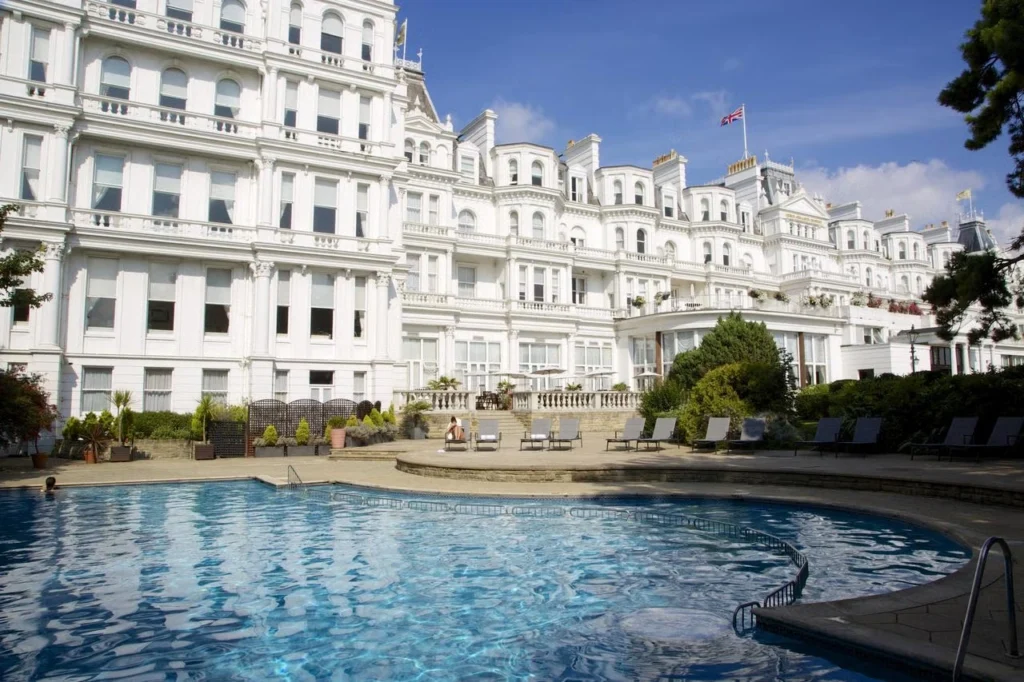
The phrase top seaside hotel services is frequently flattened by consumer aggregators and general travel blogs that reduce complex hospitality infrastructure to promotional marketing copy, vague references to pampering, and subjective star ratings. In professional asset management, spatial planning, and hospitality development terms, the phrase denotes a rigorous analytical taxonomy used to evaluate properties based on back-of-house operational efficiency, specialized marine maintenance schedules, staff circulation routing, utility redundancy, and long-term asset durability. A common misinterpretation assumes that evaluating properties delivering world-class seaside hospitality is merely an exercise in counting the number of swimming pools or reviewing spa treatment menus. Authentic evaluation requires verifying the velocity of engineering ticket resolution, the integrity of corrosion-mitigation protocols for technical plant equipment, supply chain resilience on remote coastlines, and compliance with strict environmental safety standards.
Oversimplifying these properties as interchangeable luxury resorts ignores the severe physical realities of coastal environments combined with the strict service uptime requirements of high-tariff guests. Asset valuation and long-term performance are driven by structural resilience against power surges, salt-spray degradation mitigation on exposed electromechanical systems, and robust waste-management infrastructure. Properties built or acquired without accounting for high humidity, electrical grid volatility, or severe seasonal occupancy spikes face rapid operational decay and crippling maintenance overhead, regardless of their initial market positioning.
True comprehension of this domain requires analyzing how distinct regional geographies shape property engineering and comparative operational evaluation. Comparing a service-intensive coastal hotel in southern Europe requires assessing local municipal labor frameworks, historic building preservation permits, and urban-beach logistics. Conversely, comparing a sanctuary on a tropical coral atoll prioritizes island-wide reverse-osmosis water production, localized solar microgrids, and comprehensive staff housing compounds. Evaluating these options demands an analytical framework that weighs service execution complexity against the relentless physical parameters of the sea.
Deep Contextual Background
The evolution of elite coastal accommodations and their associated guest services reflects broader shifts in civil engineering, global tourism mobility, and environmental vulnerability. Throughout the nineteenth and early twentieth centuries, seaside hotels were largely therapeutic health institutions designed around sea-bathing cures, offering rudimentary, localized service models that relied heavily on manual labor and minimal technical infrastructure. These early properties, such as grand timber hotels along the Atlantic coast or initial grand palaces along the Mediterranean, relied on simple load-bearing masonry, decentralized coal heating, and basic plumbing, often positioned dangerously close to the high-tide line without modern coastal modeling.
A profound operational transition accelerated during the mid-to-late twentieth century, driven by the advent of reinforced concrete, commercial refrigeration, centralized HVAC engineering, and advanced property management systems. Architects and hospitality developers began moving away from fragmented, ad-hoc service routes toward centralized back-of-house corridors, dedicated freight elevators, and subterranean logistics networks that decoupled guest movement from service delivery. The expansion of global commercial aviation transformed remote coastlines into high-demand travel destinations, prompting the development of sprawling master-planned resorts that integrated complex utility-treatment plants, automated room controls, and multi-tiered concierge departments directly into the coastal topography.
In contemporary markets, operational planning must navigate tightening environmental regulations, accelerating climate volatility, and heightened expectations for hyper-personalized, sustainable luxury. Modern blueprints frequently incorporate smart property management software, automated energy-saving climate controls, closed-loop water recycling systems, and resilient microgrids. This marks a definitive evolution from nineteenth-century timber bathhouses to twenty-first-century climate-resilient operational powerhouses capable of delivering flawless service within delicate marine ecosystems.
Conceptual Frameworks and Mental Models
Evaluating, operating, and managing properties recognized for providing top seaside hotel services requires robust mental models that account for variables far beyond standard front-office metrics.
1. The Back-of-House and Guest Circulation Segregation Matrix
This framework quantifies how a property physically separates service workflows such as laundry transport, waste removal, and room-service staging—from guest sightlines. It evaluates corridor width, vertical lift allocations, and subterranean routing to ensure zero friction between operational logistics and guest relaxation.
2. The Microclimatic Asset Degradation and Maintenance Index
This mental model maps the rate of environmental wear caused by airborne salinity, high humidity, and UV exposure on hotel infrastructure. It dictates preventive maintenance frequencies, material selection for outdoor furniture, and cathodic protection schedules for structural steel.
3. The Dynamic Resource Allocation and Occupancy Scaling Model
This framework assesses how staffing levels, kitchen throughput, and utility generation capacity adapt dynamically to sudden fluctuations in occupancy between low-season troughs and peak holiday surges.
Key Categories and Variations of Accommodations
High-end coastal hospitality assets delivering premier operational services manifest in several distinct structural typologies, each imposing unique operational trade-offs, engineering requirements, and service delivery profiles.
-
Integrated Mega-Resort Compounds: Sprawling multi-acre coastal developments featuring multiple pools, centralized commercial laundries, extensive underground service tunnels, and specialized kids’ clubs. Trade-off: Infinite service variety and high economies of scale, balanced against high bureaucratic overhead and impersonal guest interactions.
-
Cliffside Boutique Sanctuaries: Multi-level vertical properties carved into steep coastal headlands, relying on funiculars and vertical lift networks to deliver butler and dining services to terraced suites. Trade-off: Unobstructed horizon views and hyper-personalized attention, offset by immense logistical bottlenecks during peak room-service hours.
-
Protected Cove Heritage Estates: Low-profile masonry plans clustered around private artificial micro-harbors, emphasizing bespoke maritime concierge services, yacht charters, and private pier dining. Trade-off: Excellent natural wave dampening and intimate service delivery, balanced against limited expansion capacity.
-
Dune-Integrated Eco-Resorts: Horizontal architectural layouts embedded into coastal dunes, utilizing discreet, low-noise electric buggies and concealed pathways for housekeeping and luggage transport. Trade-off: Exceptional environmental harmony and quietude, balanced against challenging underground utility maintenance.
-
Urban Waterfront Business-Leisure Hotels: Vertical properties positioned along metropolitan harbor fronts, providing 24/7 executive business support, high-speed concierge services, and seamless transit coordination. Trade-off: Flawless corporate infrastructure and rapid urban service response, offset by elevated ambient city noise.
Comparison of Service Delivery Typologies
| Typology | Primary Geographic Context | Operational Complexity | Core Service Vulnerability | Primary Service Advantage |
| Integrated Mega-Resort | Tropical Coastlines / Islands | Extreme (Multi-Department) | Communication silos | Infinite amenity range |
| Cliffside Boutique | Mediterranean / Pacific Cliffs | High (Vertical Logistics) | Funicular/lift mechanical failure | Hyper-personalized attention |
| Protected Cove Estate | Shielded Bays / Fjords | Medium-High | Dock/pier maintenance delays | Bespoke marine charters |
| Dune-Integrated Eco-Resort | Sandy Barrier Islands | Medium | Subterranean utility access | Low-noise discreet service |
| Urban Waterfront Hotel | Metropolitan Harbors | Very High (Volume) | Traffic & transit congestion | 24/7 business infrastructure |
Realistic Decision Logic
When selecting a coastal property typology for operational development or asset investment, stakeholders must weigh local labor market availability, supply chain logistics, and target market positioning. Properties sited in remote island archipelagos require extensive back-of-house storage, on-site staff housing, and self-sufficient utility plants, accepting higher capital expenditure in exchange for operational autonomy. Conversely, properties situated along established European urban-beach corridors often leverage local third-party vendor networks and municipal utility grids, absorbing higher labor costs in exchange for streamlined daily operational management.
Detailed Real-World Scenarios and Operational Dynamics
To understand how properties delivering top seaside hotel services perform under operational and environmental stress, consider four distinct field scenarios encountered by general managers, engineering directors, and head concierges.
Sudden Electrical Grid Failure During Peak Dinner Service
A coastal luxury hotel experiences a total municipal power loss during a fully booked Saturday evening banquet across three cliffside restaurants.
-
Failure Mode: Unprepared properties suffer immediate kitchen shutdowns, POS terminal failures, and elevator entrapments, destroying the luxury guest experience.
-
Second-Order Effect: Advanced properties seamlessly trigger automated diesel generator switchovers, isolate critical kitchen loads, and deploy emergency lighting protocols within ten seconds, ensuring zero interruption to food service.
Severe Salt-Spray Corrosion on Outdoor Elevator Mechanisms
A beachfront resort’s exterior glass capsule elevator suffers sudden mechanical binding due to aggressive salt-air oxidation and moisture ingress.
-
Failure Mode: The primary scenic elevator fails during peak afternoon check-in hours, stranding guests and forcing manual luggage transport up six flights of stairs.
-
Second-Order Effect: Implementation of daily freshwater rinse cycles for exterior metalwork, upgraded sacrificial anodes, and the establishment of a redundant internal service lift protocol.
Supply Chain Disruption of Fresh Provisions During Monsoon Season
A remote island resort faces a three-day suspension of all boat and air cargo deliveries due to a severe tropical depression, threatening fresh food supplies.
-
Failure Mode: Kitchen inventories run out of core culinary ingredients, forcing a severe contraction of restaurant menus and guest dissatisfaction.
-
Second-Order Effect: Enforcement of strict dry-storage and blast-freezer par levels, diversified local sourcing agreements, and dynamic menu-engineering frameworks that adapt to cargo delays.
High Guest Turnover and Housekeeping Bottlenecks
A cliffside resort experiences 100% room turnover on a Sunday, coupled with strict guest requests for early check-in.
-
Failure Mode: Housekeeping teams become overwhelmed, resulting in delayed room readiness, frustrated guests lingering in public spaces, and compromised cleaning thoroughness.
-
Second-Order Effect: Deployment of staggered check-in/check-out windows, real-time digital housekeeping dispatch software, and cross-trained multi-departmental support teams assisting room attendants during peak turnarounds.
Planning, Cost, and Resource Allocation
Developing and managing the operational infrastructure required to deliver world-class seaside hospitality requires sophisticated financial architecture. Beyond standard staffing budgets, back-of-house logistics corridors, preventive maintenance software, continuous staff training programs, and utility redundancy systems demand substantial capital allocations.
Financial Dynamics and Cost Variability
| Expense Category | Estimated Budget Range (USD) | Cost Drivers & Variables |
| Back-of-House Logistics & Tunnels | $800,000 – $4,000,000+ | Subterranean excavation, freight elevators, secure service roads |
| Preventive Maintenance Software & IoT | $50,000 – $250,000+ | Sensor networks, CMMS software, automated asset tracking |
| Staff Housing & Welfare Compounds | $1,000,000 – $6,000,000+ | Remote location housing blocks, dining facilities, transport fleets |
| Utility Redundancy & Generators | $500,000 – $2,500,000+ | Commercial diesel generators, desalination plants, backup chillers |
Opportunity Costs and Resource Optimization
A frequent financial miscalculation involves underestimating the long-term cost savings of investing in comprehensive preventive maintenance and robust back-of-house infrastructure during initial asset development. While skimping on service elevators, storage space, and engineering redundancies reduces upfront construction expenditures, the resulting operational bottlenecks, emergency repair costs, and negative guest review velocity rapidly erode asset valuation. Allocating capital toward resilient operational infrastructure ensures long-term service stability and high profitability.
Tools, Strategies, and Support Systems
Successfully executing complex maritime hospitality operations requires an integrated network of specialized digital software, asset management tools, and physical support systems.
-
Computerized Maintenance Management Systems (CMMS): Enterprise software tracking preventive maintenance schedules, work orders, equipment lifecycles, and spare parts inventory across all hotel departments.
-
Property Management and Concierge Suites: Integrated digital platforms consolidating guest preferences, spa reservations, dining bookings, and housekeeping dispatch into a single interface.
-
IoT Environmental and Corrosion Sensors: Wireless sensor networks monitoring moisture levels, temperature fluctuations, and structural vibration in critical technical plants.
-
Retained Marine Engineering Consultancies: Specialized firms managing structural bulkhead maintenance, beach nourishment engineering, and salt-mitigation protocols.
-
Automated Energy Management Systems (EMS): Smart room controls adjusting HVAC and lighting based on occupancy status to optimize utility consumption without compromising guest comfort.
-
Commercial Laundry Automation Fleet: High-capacity industrial washing, drying, and folding machinery capable of processing thousands of linens daily with minimal water waste.
-
Secured Digital Staff Communication Networks: Encrypted push-to-talk digital radios and mobile messaging devices coordinating front-of-house and back-of-house teams in real time.
-
Closed-Loop Quality Assurance Auditing Tools: Standardized digital inspection checklists executed daily by department heads to maintain rigorous service consistency.
Risk Landscape and Failure Modes
The risk profile of elite coastal hospitality operations combines standard hotel management hazards with severe, compounding environmental and logistical vulnerabilities unique to maritime zones.
Compounding Risks in Coastal Hotel Operations
-
The Maintenance Deferred Accumulation Loop: Postponing routine corrosion mitigation and mechanical servicing to save short-term operating costs leads to catastrophic equipment failure during peak occupancy windows.
-
Labor Retention and Isolation Attrition: Remote coastal properties frequently struggle with high staff turnover due to geographic isolation and housing constraints, degrading service consistency.
-
Utility Interruption Cascades: A failure in the property’s desalination plant or primary generator simultaneously knocks out air conditioning, water supply, and kitchen refrigeration, triggering total operational paralysis.
-
Supply Chain Fragility: Heavy reliance on single-source mainland suppliers for perishable culinary goods and specialized engineering parts leaves properties vulnerable to transport strikes and severe weather delays.
Governance, Maintenance, and Long-Term Adaptation
Preserving the physical integrity, operational efficiency, and service excellence of a premier seaside hotel requires disciplined adherence to rigorous maintenance schedules and continuous performance governance.
Monitoring and Review Cycles
Property general managers, chief engineers, and department heads must execute structured daily operational briefings, weekly department audits, monthly financial reviews, and seasonal engineering overhauls before high-occupancy windows.
Layered Maintenance Checklist
-
Critical Life-Safety and Generator Testing: Weekly load-bank testing of emergency diesel generators and inspection of fire suppression systems.
-
Corrosion Mitigation and Metal Treatment: Bi-weekly washing and protective coating application on all exterior railings, light fixtures, and elevator mechanisms exposed to salt spray.
-
HVAC and Water Plant Servicing: Monthly cleaning of chiller coils, water filtration membranes, and air handling units to maintain indoor air quality and efficiency.
-
Substructure and Bulkhead Audits: Annual professional engineering inspections of seawalls, piers, and marine pilings to check for structural scour and erosion.
Measurement, Tracking, and Evaluation
Evaluating the performance, service reliability, and economic viability of a coastal hospitality asset requires tracking both quantitative operational metrics and qualitative guest satisfaction signals.
-
Quantitative Metrics: Maintenance work-order resolution velocity, energy consumption per occupied room, staff turnover ratios, housekeeping room-turnaround times, and RevPAR (Revenue Per Available Room).
-
Qualitative Signals: Guest satisfaction scores regarding service attentiveness, room cleanliness, food and beverage consistency, and promptness of problem resolution.
-
Documentation Standards: Maintaining an exhaustive digital archive recording historical maintenance logs, equipment warranties, standard operating procedure (SOP) manuals, and energy efficiency audits ensures seamless institutional continuity across management transitions.
Common Misconceptions and Oversimplifications
-
Myth: Delivering top-tier seaside hospitality services relies solely on hiring charming front-of-house concierges and polite front-desk staff.Correction: Exceptional guest service is fundamentally enabled by invisible, highly complex back-of-house logistics, robust utility engineering, and rigorous maintenance systems.
-
Myth: Coastal hotel maintenance schedules are identical to those of urban downtown business hotels.Correction: Aggressive marine humidity, salt-spray corrosion, and tropical storm exposure require specialized, highly frequent preventive maintenance protocols that urban properties do not need.
-
Myth: Supply chain logistics for remote island resorts can be managed on an ad-hoc, as-needed basis.Correction: Remote coastal locations demand sophisticated inventory forecasting, extensive cold-storage capacity, and diversified vendor networks to survive weather-related shipping disruptions.
-
Myth: Automated room controls and smart property management systems replace the need for skilled on-site engineering staff.Correction: Advanced digital systems require expert on-site engineers to troubleshoot software-hardware integration glitches and execute emergency manual overrides during power failures.
-
Myth: Staff housing and welfare are peripheral issues that do not impact direct guest service quality.Correction: In remote coastal regions, poor staff housing and high employee burnout directly drive turnover, leading to inconsistent service delivery and plummeting guest satisfaction scores.
-
Myth: Environmental sustainability initiatives in coastal hotels are merely marketing exercises with little operational impact.Correction: Closed-loop water recycling, energy management, and waste reduction are critical operational cost mitigators in regions with expensive utility and waste-disposal tariffs.
Ethical, Practical, and Contextual Considerations
Operating large-scale hospitality compounds within sensitive coastal ecosystems carries a profound ecological responsibility. Among properties delivering top-tier seaside hospitality services, responsible stewardship mandates protecting fragile coral reefs and dune systems from heavy guest activity and utility discharge, preserving public littoral access rights where mandated by law, minimizing artificial lighting that disorients nesting marine wildlife, and eliminating untreated wastewater release into coastal waters. Furthermore, acknowledging the socioeconomic impact of resort development on local communities ensures that private luxury enterprise coexists harmoniously with the broader ecological and cultural vitality of the region.
Conclusion
The conception, operation, and maintenance of elite maritime accommodations delivering world-class hospitality services represent the ultimate synthesis of civil engineering, logistics management, human resource orchestration, and environmental risk mitigation. By moving past superficial promotional marketing and confronting the rigorous operational realities of marine corrosion, utility redundancy, back-of-house circulation design, and complex supply chains, developers and operators can establish enduring properties of exceptional commercial success and service reliability. Whether managing integrated mega-resorts on tropical coastlines, cliffside boutique sanctuaries in the Mediterranean, or protected cove estates along historic harbors, these exceptional properties demand a synthesis of intellectual rigor, technical mastery, and deep respect for the environment, balancing modern hospitality innovation with the timeless, powerful dominance of the sea.