Best Seaside Hotels for Luxury Stay: The Definitive Ultra-Luxury Guide
The architecture of ultra-luxury coastal hospitality represents an intricate synthesis of high-end real estate engineering, hyper-personalized service delivery, and strict environmental stewardship. Sourcing or designing an accommodation asset situated on a marine boundary requires navigating complex microclimates, severe structural corrosion challenges, and shifting consumer expectations that prioritize quiet exclusivity over ostentatious displays of wealth. As the global elite redefine high-end travel toward evidence-based wellness, absolute privacy, and regenerative sustainability, maritime properties are evaluated through increasingly rigorous asset management frameworks.
Evaluating properties that occupy the upper echelon of littoral hospitality involves examining back-of-house operational ratios, proprietary water desalination systems, soundproofing integrity against marine turbulence, and bespoke guest-intake workflows. From secluded cliffside sanctuaries utilizing low-density architectural master plans to ultra-low-key heritage coastal estates, these properties operate as advanced socio-technical systems. The long-term valuation and market resilience of these assets depend on balancing the raw, unpredictable beauty of the seaside environment with the absolute, uncompromising comfort expected by ultra-high-net-worth individuals.
This analysis establishes a definitive reference for understanding, evaluating, and categorizing the systemic frameworks that govern elite coastal hospitality assets. By unpacking structural variations, operational risk profiles, economic models, and governance frameworks, this inquiry provides a comprehensive baseline for asset managers, developers, and luxury travel curators navigating the complexities of high-end coastal real estate infrastructure.
Understanding “best seaside hotels for luxury stay.”
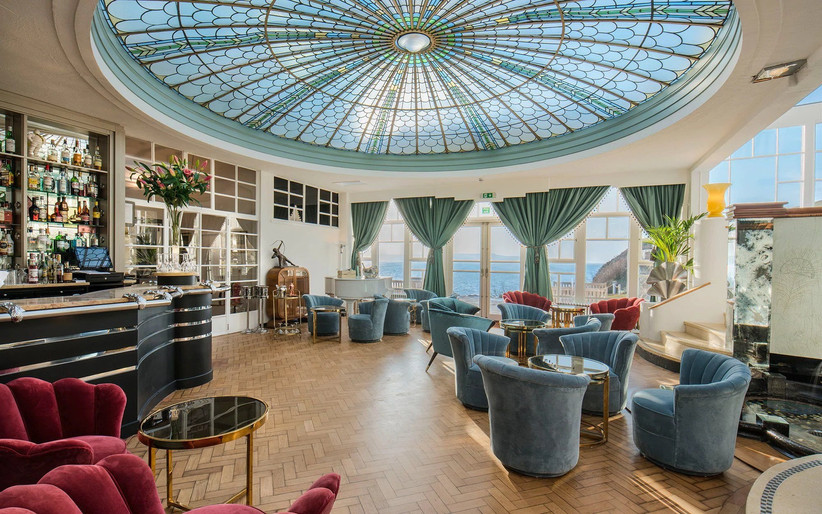
The phrase best seaside hotels for luxury stay is frequently diluted by lifestyle blogs and algorithmic content aggregators that reduce high-end hospitality to glossy photography, superficial star ratings, and inflated room rates. In professional asset management, luxury hospitality development, and institutional investment terms, the phrase denotes a rigorous analytical taxonomy used to evaluate properties based on key-count scarcity, staff-to-guest ratios, architectural harmony with marine ecosystems, proprietary wellness integrations, and long-term asset durability. A common misinterpretation assumes that identifying top-tier coastal luxury is simply a matter of checking whether a property features marble bathrooms, infinity pools, and a seaside restaurant. Authentic evaluation requires auditing the acoustic insulation of guest suites against violent wave action, measuring the purity and mineral processing of coastal water systems, inspecting private security perimeters, and verifying the presence of anticipatory service protocols that eliminate operational friction before the guest notices a need.
Oversimplifying these elite properties as standard upscale resorts with premium room inventory ignores the severe operational realities of marine environments and the uncompromising standards of ultra-luxury clientele. Asset valuation and long-term performance are driven by structural resilience against salt-spray corrosion, low-density master planning that guarantees absolute privacy, and deeply integrated local craftsmanship. Properties developed without accounting for extreme coastal weather volatility, rising sea levels, or the precise logistical demands of sourcing fresh, hyper-local gastronomy face rapid operational decline, regardless of their initial aesthetic grandeur.
Deep Contextual Background
The evolution of ultra-luxury seaside hospitality reflects broader transformations in global wealth distribution, architectural engineering, and shifting cultural interpretations of status. Throughout the nineteenth and early twentieth centuries, elite coastal travel was dominated by grand railway hotels and sprawling historic palaces along the French Riviera, the Lido of Venice, and the British coastlines. These early properties served aristocratic travelers who relocated for entire seasons, supported by large domestic retinues and operating on slow, analog schedules with static service models.
A profound operational transition accelerated during the latter half of the twentieth century, catalyzed by commercial aviation, the rise of branded international luxury hotel chains, and modern resort master planning. Coastal luxury shifted from seasonal European grand hotels to year-round tropical and subtropical retreats characterized by private beachfront villas, expansive spa complexes, and sophisticated leisure infrastructures. The subsequent emergence of ultra-high-net-worth demographics in the twenty-first century further revolutionized the industry, replacing flashy opulence with the philosophy of “quiet luxury” emphasizing rare spatial seclusion, hyper-personalized itineraries, and deep environmental integration.
In contemporary markets, high-end property development must navigate strict environmental regulations, accelerated climate volatility, and a cultural shift toward regenerative tourism. Modern luxury blueprints incorporate advanced renewable energy microgrids, biophilic architectural designs that dissolve indoor-outdoor boundaries, and science-backed longevity centers. This marks a definitive evolution from nineteenth-century social palaces to twenty-first-century ultra-low-density coastal sanctuaries capable of providing absolute privacy and ecological harmony along delicate marine margins.
Conceptual Frameworks and Mental Models
Evaluating, operating, and selecting properties that qualify among the best seaside hotels for luxury stays requires robust mental models that account for variables far beyond standard five-star checklists.
1. The Key-Count Scarcity and Exclusivity Index
This framework maps the inverse relationship between room inventory density and perceived luxury value, asserting that true ultra-luxury requires low key counts (typically under 75 keys) to ensure zero friction in service delivery and absolute spatial privacy.
2. The Sensory Microclimate Isolation Model
This mental model quantifies how a property engineers its physical envelope to shield guests from unwanted environmental stress such as high wind decibels, harsh solar glare, and salt-air humidity while maximizing immersive connection to the ocean view.
3. The Anticipatory Service Workflow Architecture
This framework evaluates the operational depth of a property’s staff-to-guest ratio, measuring how seamlessly preferences are recorded, archived, and deployed across departments before a guest articulates a request.
Key Categories and Variations of Ultra-Luxury Coastal Assets
Ultra-luxury coastal hospitality assets manifest in several distinct structural typologies, each imposing unique operational trade-offs, architectural design profiles, and service delivery standards.
-
Private Island Atoll Sanctuaries: Sprawling low-density compounds situated on isolated coral atolls, accessible exclusively via private yacht or seaplane. Trade-off: Absolute seclusion and pristine marine environments, balanced against extreme logistical supply-chain complexity.
-
Cliffside Architectural Masterpieces: Multi-level properties cantilevered dramatically over deep marine abysses, featuring glass-walled suites and cliff-edge infinity pools. Trade-off: Unmatched panoramic aesthetics and dramatic visual impact, offset by vertical transit bottlenecks and complex wind engineering.
-
Historic Heritage Maritime Palaces: Meticulously restored nineteenth-century coastal fortresses, royal villas, or grand seaside mansions infused with modern ultra-luxury infrastructure. Trade-off: Deep cultural storytelling and irreplaceable architectural character, balanced against strict historic preservation and layout constraints.
-
Dune-Integrated Eco-Sanctuaries: Low-profile properties embedded sensitively into coastal dunes or native coastal vegetation using renewable materials and underground micro-zoning. Trade-off: Exemplary regenerative sustainability and quiet discretion, balanced against demanding subterranean maintenance protocols.
-
Protected Cove Super-Villas and Estates: Clusters of ultra-private villas surrounding a secluded marine cove, featuring dedicated butler teams and private yacht mooring piers. Trade-off: Ultimate family and multi-generational privacy, offset by higher baseline capital expenditure and dispersed public social spaces.
Comparison of Ultra-Luxury Coastal Typologies
| Typology | Architectural Density | Primary Logistical Challenge | Core Vulnerability | Primary Luxury Advantage |
| Private Island Atoll | Extremely Low (<50 Keys) | Seaplane & Maritime Supply Chains | Weather isolation/power supply | Absolute privacy & untouched reefs |
| Cliffside Masterpiece | Low (Tiered Vertical Layout) | Vertical Funiculars / Wind Load | Seismic & coastal erosion stress | Dramatic ocean vistas & architecture |
| Heritage Maritime Palace | Moderate (Restored Structure) | Historic Zoning & Layout Limits | Restricted structural expansion | Cultural authenticity & grandeur |
| Dune-Integrated Eco-Sanctuary | Ultra-Low (Horizontal Spread) | Subterranean Utility Maintenance | Shifting sand dynamics | Regenerative quiet luxury |
| Protected Cove Estate | Low (Private Villa Clusters) | Decentralized Service Delivery | Multi-unit staffing logistics | Multigenerational family privacy |
Realistic Decision Logic
When selecting or designing an ultra-luxury coastal asset class, investors and high-net-worth travelers must weigh geographical isolation against accessibility and service breadth. Private island atolls and cliffside sanctuaries offer unmatched visual drama and absolute privacy, requiring massive investments in redundant backup power and dedicated transport fleets. Conversely, historic heritage palaces situated along accessible Mediterranean shores provide seamless cultural immersion and easy regional transit, balancing rich architectural provenance against the structural limitations of historic preservation mandates.
Detailed Real-World Scenarios and Operational Dynamics
To understand how ultra-luxury coastal properties perform under extreme operational and environmental stress, consider four distinct field scenarios encountered by general managers, chief engineers, and luxury asset directors.
Severe Storm Surge and Tidal Inundation Threat
A category-four hurricane threatens a low-lying private island luxury resort, jeopardizing guest safety and coastal infrastructure.
-
Failure Mode: Power failure, contamination of freshwater desalination plants, and structural flooding of beachfront villas.
-
Second-Order Effect: Deployment of automated hydraulic sea-walls, autonomous deep-well backup generators, and pre-programmed evacuation staging protocols executed seamlessly by trained security teams.
Severe Dietary and Medical Emergency in an Isolated Atoll
An ultra-high-net-worth guest suffers a severe anaphylactic reaction during a private beachside tasting menu at a remote marine sanctuary.
-
Failure Mode: Delayed medical response due to geographic isolation leads to catastrophic health outcomes and severe liability.
-
Second-Order Effect: Immediate deployment of an on-site trauma-certified physician, helipad-ready emergency evacuation clearance, and pre-vetted regional hospital coordination.
Microclimate Salt Corrosion Crippling Smart-Room Automation
High humidity and aggressive salt spray corrode the internal electronic components of smart-room lighting and climate control panels in oceanfront suites.
-
Failure Mode: Guest suites experience systemic technological failure, forcing manual overrides and disrupting the frictionless luxury experience.
-
Second-Order Effect: Retrofitting all marine-facing hardware with marine-grade stainless steel enclosures, gold-plated contacts, and humidity-resistant conformal coatings.
Gastronomy Supply Chain Breakdown During Peak Season
A major maritime shipping delay prevents the delivery of bespoke imported luxury culinary ingredients to an isolated cliffside resort’s Michelin-aspirational restaurant.
-
Failure Mode: Inability to fulfill promised luxury dining menus, resulting in guest disappointment and brand erosion.
-
Second-Order Effect: Immediate activation of pre-established hyper-local foraging networks, artisan producer partnerships, and flexible menu engineering that transforms scarcity into an exclusive farm-to-table culinary narrative.
Planning, Cost, and Resource Allocation
Developing and operating an asset qualifying as one of the best seaside hotels for luxury stay demands extraordinary capital allocation. Beyond standard hospitality construction expenses, marine-grade structural engineering, bespoke interior craftsmanship, advanced sustainability systems, and elite staff training require significant financial commitment.
Financial Dynamics and Cost Variability
| Expense Category | Estimated Budget Range (USD) | Cost Drivers & Variables |
| Marine-Grade Architectural Engineering | $500,000 – $3,000,000+ per key | Titanium fasteners, salt-resistant concrete, seismic and wind load bracing |
| Autonomous Utility & Desalination Systems | $1,000,000 – $5,000,000 total | Reverse osmosis plants, solar microgrids, redundant diesel generators |
| Bespoke Interior Furnishing & Art Procurement | $200,000 – $1,500,000 per suite | Custom Italian marble, marine-treated hardwoods, curated local art |
| Elite Staff Training & Talent Retention | $500,000 – $2,000,000+/yr | Low staff-to-guest ratios, butler academies, specialized wellness practitioners |
Opportunity Costs and Resource Optimization
A frequent financial miscalculation in luxury coastal real estate development involves underestimating the long-term cost of skimping on marine-grade structural materials during initial construction. While utilizing standard commercial building supplies reduces upfront capital expenditures, the aggressive corrosive action of marine air accelerates structural decay, leading to catastrophic maintenance costs and premature renovation cycles. Allocating capital toward superior corrosion-resistant materials and robust utility autonomy ensures long-term asset preservation and sustained valuation premiums.
Tools, Strategies, and Support Systems
Successfully executing ultra-luxury coastal hospitality operations requires an integrated ecosystem of advanced software, specialized hardware, and elite support services.
-
Enterprise Property Management & CRM Suites: Sophisticated platforms tracking granular guest preferences, dietary requirements, and past behavioral history across global portfolio properties.
-
Marine-Grade Corrosion Monitoring Sensors: IoT hardware deployed across exterior structural elements to detect salt oxidation and moisture intrusion before visible degradation occurs.
-
Encrypted Guest Communication Portals: Bespoke mobile applications enabling ultra-high-net-worth guests to communicate privately and securely with dedicated private butlers.
-
Retained Marine Architecture Consultancies: Specialized engineering firms auditing shoreline stability, tidal erosion patterns, and structural wind resistance.
-
Advanced Water Purification and Desalination Arrays: Industrial reverse osmosis and mineral balancing systems ensuring pristine drinking and spa water quality on isolated sites.
-
Biometric and Discrete Perimeter Security Systems: Advanced surveillance and access control hardware ensuring absolute guest privacy without visible security intimidation.
-
Autonomous Energy Microgrid Management Software: AI-driven power distribution tools balancing solar, battery, and generator assets seamlessly.
-
Curated Artisan and Gastronomy Supply Networks: Proprietary logistics frameworks connecting the property directly with elite global and local agricultural producers.
Risk Landscape and Failure Modes
The risk profile of ultra-luxury coastal hospitality combines standard hospitality hazards with severe, compounding environmental, geopolitical, and technological vulnerabilities unique to high-end marine real estate.
Compounding Risks in Ultra-Luxury Coastal Operations
-
The Corrosion-Cascade Failure: Salt-air infiltration compromises exterior structural ties and electrical conduits simultaneously, leading to hidden infrastructural decay and sudden system failures.
-
Supply Chain Isolation Vulnerability: Remote island and cliffside properties face total operational paralysis if maritime or aerial supply routes are disrupted by regional weather anomalies.
-
Privacy and Security Compromise: A breach of guest confidentiality or physical perimeter security destroys the fundamental value proposition of ultra-luxury exclusivity.
-
Talent Drain and Service Degradation: Inability to retain elite, highly specialized butler and wellness personnel leads to a perceptible drop in anticipatory service quality.
Governance, Maintenance, and Long-Term Adaptation
Preserving the physical integrity, operational excellence, and elite reputation of an ultra-luxury coastal property requires disciplined adherence to rigorous maintenance cycles and continuous asset governance.
Monitoring and Review Cycles
Property owners, asset managers, and chief engineers must execute structured daily structural integrity checks, weekly marine corrosion audits, monthly utility autonomy stress tests, and comprehensive seasonal aesthetic overhauls.
Layered Maintenance Checklist
-
Daily Structural and Glass Envelope Audits: Verifying that all ocean-facing glazing, automated sliding doors, and wind-load barriers operate without resistance.
-
Weekly Marine Corrosion Inspections: Checking exterior metal fixtures, titanium fasteners, and structural anchors for early signs of salt oxidation.
-
Monthly Utility and Desalination Testing: Running full load-bank tests on backup generators and testing water purity levels from reverse osmosis plants.
-
Quarterly Service Protocol and Butler Audits: Reviewing guest feedback metrics, preference database accuracy, and staff anticipatory training standards.
Measurement, Tracking, and Evaluation
Evaluating the performance, financial viability, and guest satisfaction of a property positioned among the best seaside hotels for luxury stays requires tracking both quantitative financial indicators and qualitative luxury sentiment signals.
-
Quantitative Metrics: Revenue per available room (RevPAR), average daily rate (ADR), direct booking ratio, guest retention percentage, and ancillary spend per key.
-
Qualitative Signals: Discretion ratings, perceived friction in service delivery, aesthetic harmony of public and private spaces, and feedback regarding holistic wellness offerings.
-
Documentation Standards: Maintaining an exhaustive digital archive recording historical asset maintenance logs, structural engineering reports, guest preference histories, and financial performance audits ensures seamless institutional continuity across executive transitions.
Common Misconceptions and Oversimplifications
-
Myth: True luxury seaside hotels are defined entirely by the size of their infinity pools and the opulence of their lobby marble.Correction: Contemporary ultra-luxury is defined by key-count scarcity, absolute privacy, quiet architectural integration, and anticipatory service workflows.
-
Myth: Marine environments present minimal engineering challenges beyond standard weatherproofing.Correction: Aggressive salt spray, high humidity, and severe wind loads require specialized titanium and marine-grade materials to prevent rapid structural degradation.
-
Myth: Remote private island resorts operate with unlimited resource independence.Correction: Remote atolls face extreme supply chain vulnerability, requiring highly sophisticated on-site desalination and energy microgrid systems.
-
Myth: High staff-to-guest ratios guarantee flawless anticipatory service without structured training.Correction: Exceptional service requires rigorous, systematic training academies that teach staff to read subtle guest cues without intrusive familiarity.
-
Myth: Sustainability in luxury hotels is merely a marketing gimmick for eco-conscious travelers.Correction: Modern ultra-luxury guests demand genuine regenerative sustainability, renewable energy integration, and local cultural preservation.
-
Myth: Historic seaside palaces can be easily modernized with standard hospitality technology.Correction: Historic structures face rigid preservation laws that complicate the installation of modern HVAC, high-speed fiber networks, and soundproofing infrastructure.
Ethical, Practical, and Contextual Considerations
Operating elite hospitality assets along delicate marine ecosystems carries a profound ethical and ecological responsibility. Preserving local coral reefs, minimizing carbon footprints through advanced renewable energy integration, and protecting indigenous coastal cultures from commercial exploitation are fundamental duties that uphold long-term industry credibility. Furthermore, ensuring fair labor standards, supporting regional artisans, and maintaining absolute discretion regarding guest privacy reinforce the moral foundation upon which true ultra-luxury hospitality rests.
Conclusion
The architecture, operation, and stewardship of elite properties recognized among the best seaside hotels for luxury stays represent the ultimate convergence of advanced marine engineering, quiet architectural design, regenerative sustainability, and hyper-personalized service mastery. By moving past superficial marketing tropes and confronting the rigorous operational realities of salt-corrosion mitigation, utility autonomy, key-count scarcity, and anticipatory service architecture, developers and operators can establish enduring assets of exceptional commercial and aesthetic value. Whether managing secluded private island atolls, dramatic cliffside sanctuaries, or historic maritime palaces, these extraordinary properties demand a synthesis of intellectual rigor, uncompromising technical precision, and an unwavering commitment to timeless elegance.